
Why Kids’ Spaces Should Never Be Plain
Walk into many schools, nurseries or children’s spaces across the UAE and you’ll often see the same thing: beige walls, muted tones and “safe” colours chosen to avoid overstimulation. The intention is usually good, but the result is often the opposite of what children need.
Kids’ spaces should not be neutral. They should not fade into the background. And they should certainly never be beige.
Children experience spaces differently from adults. Their brains are wired to respond to colour, scale and visual stimulation. When environments lack contrast and visual interest, they don’t feel calm, they feel empty. This is where wall printing and printed walls become more than decoration; they become part of how children learn, play and engage with the world around them.
Children Learn Through Visual Stimulation
From early childhood, visual cues play a major role in cognitive development. Colours, shapes and imagery help children make sense of their environment. Art on walls isn’t just something to look at; it supports language development, creativity and memory.
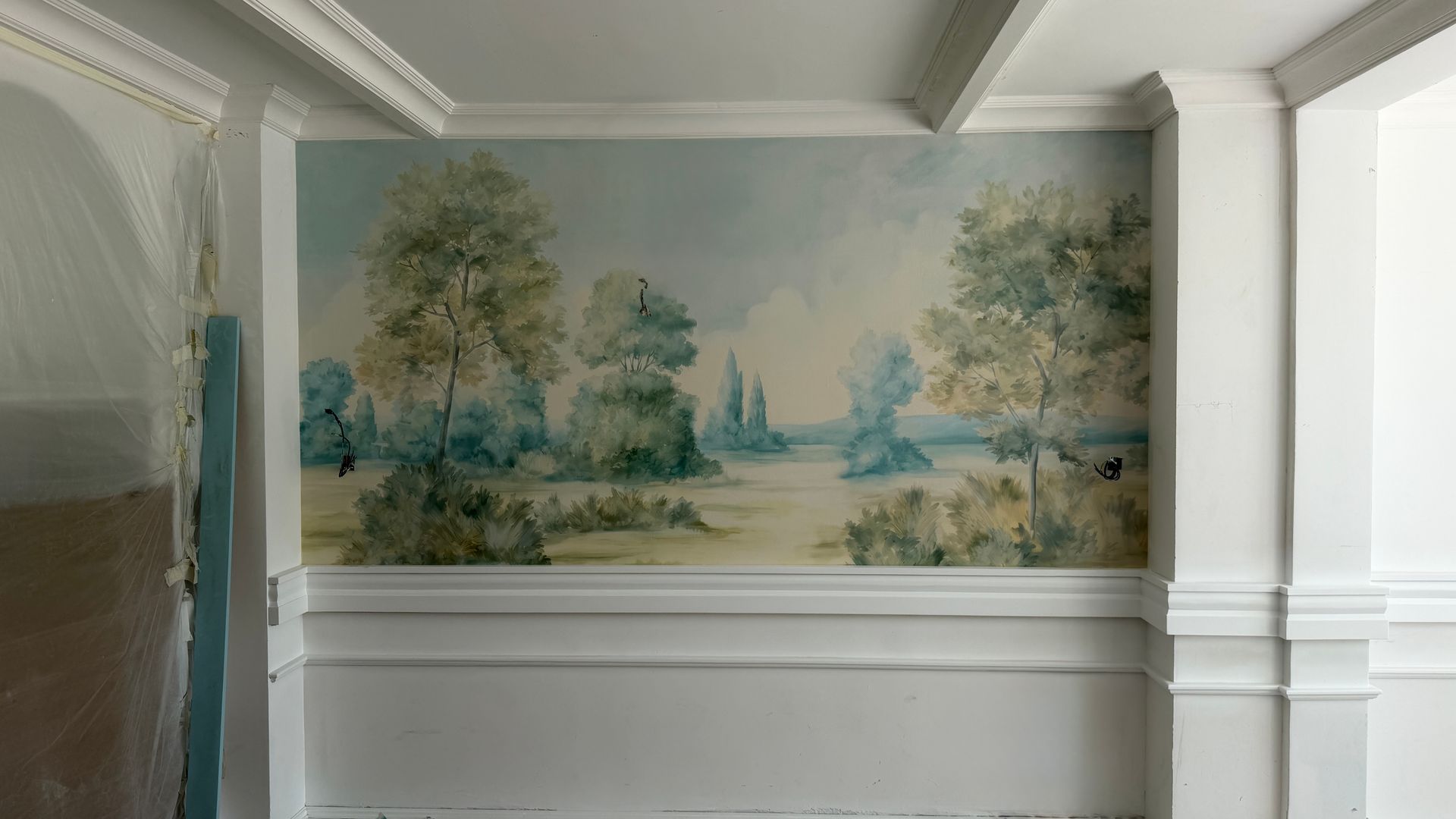
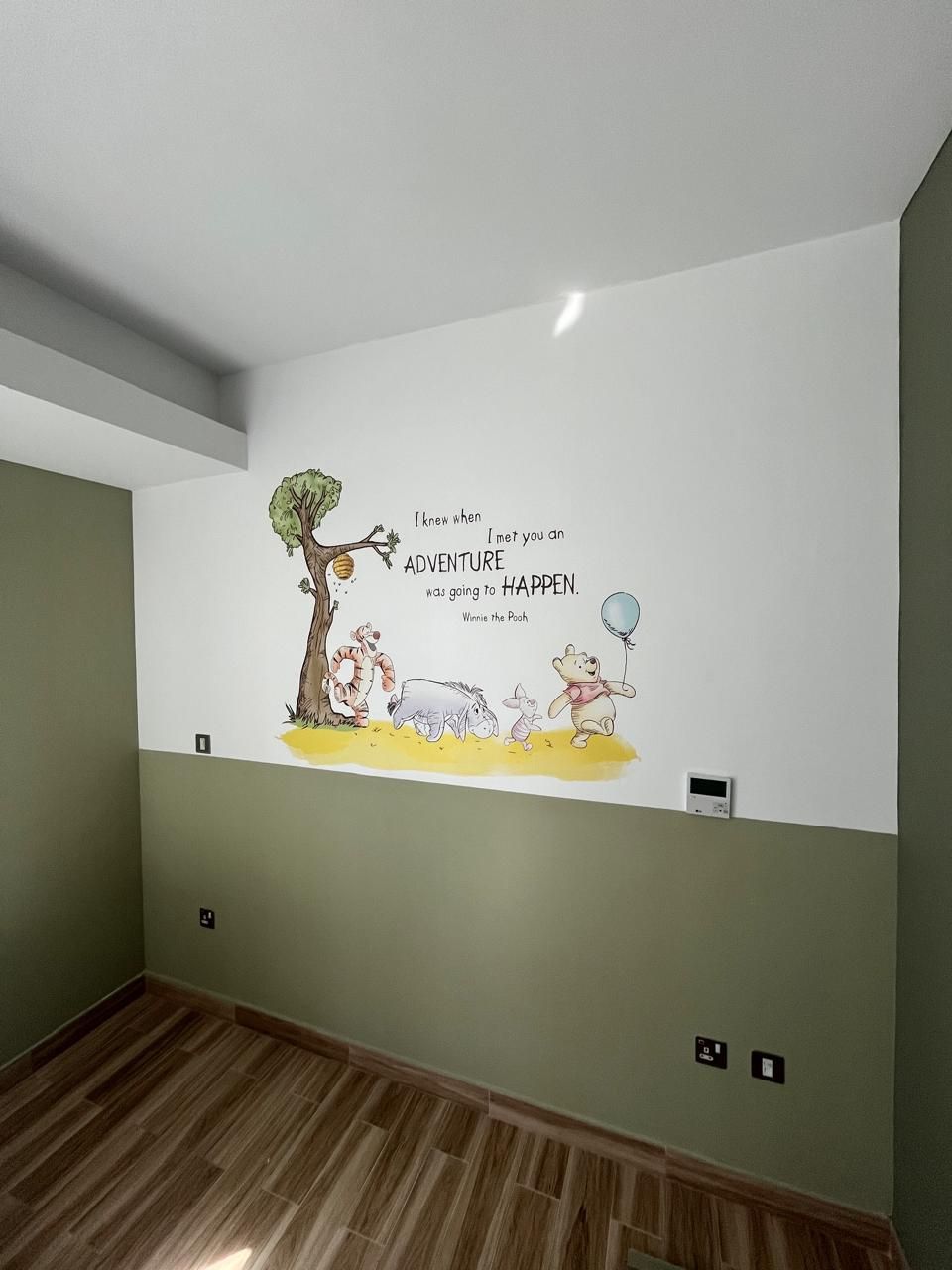
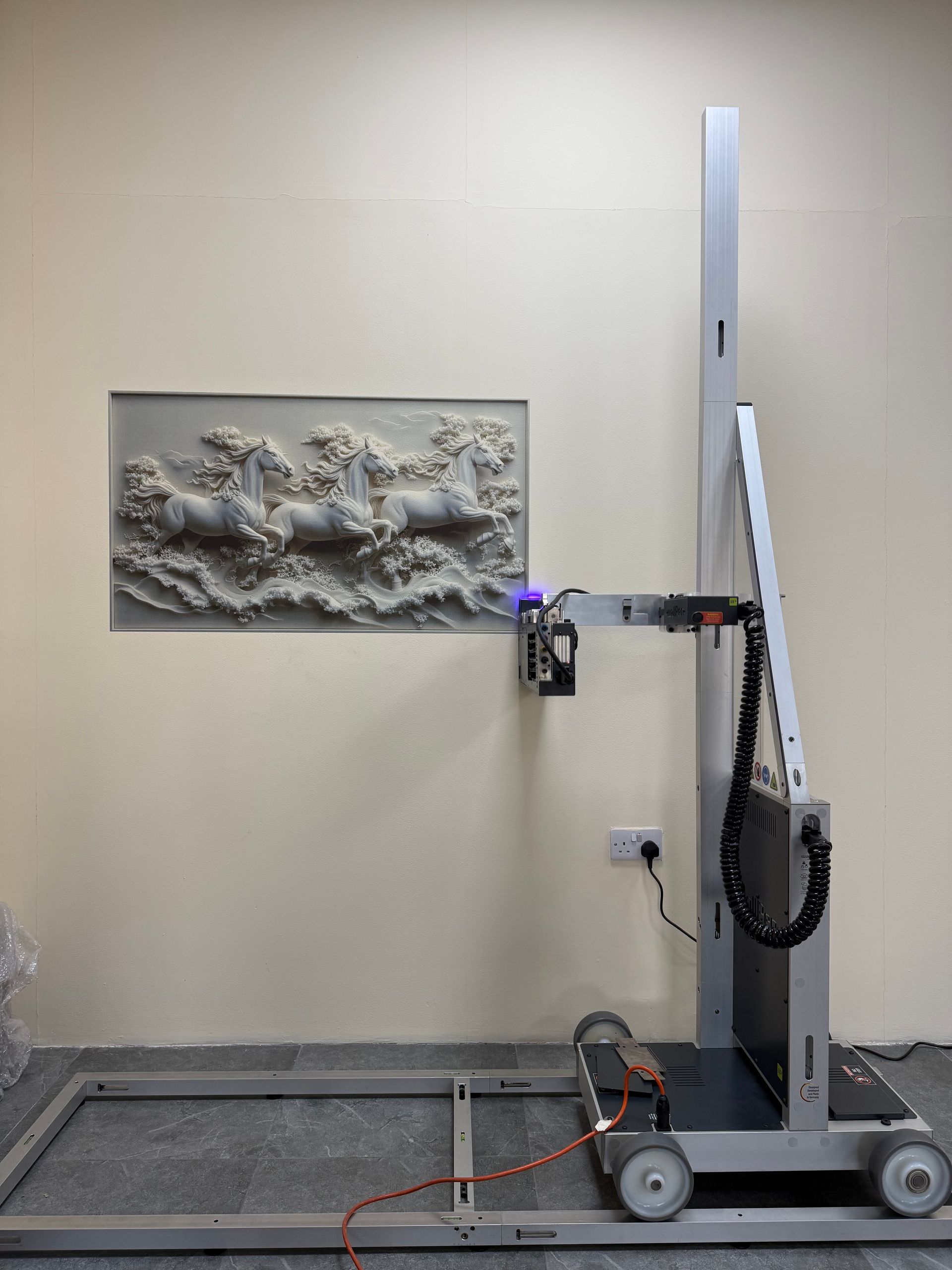
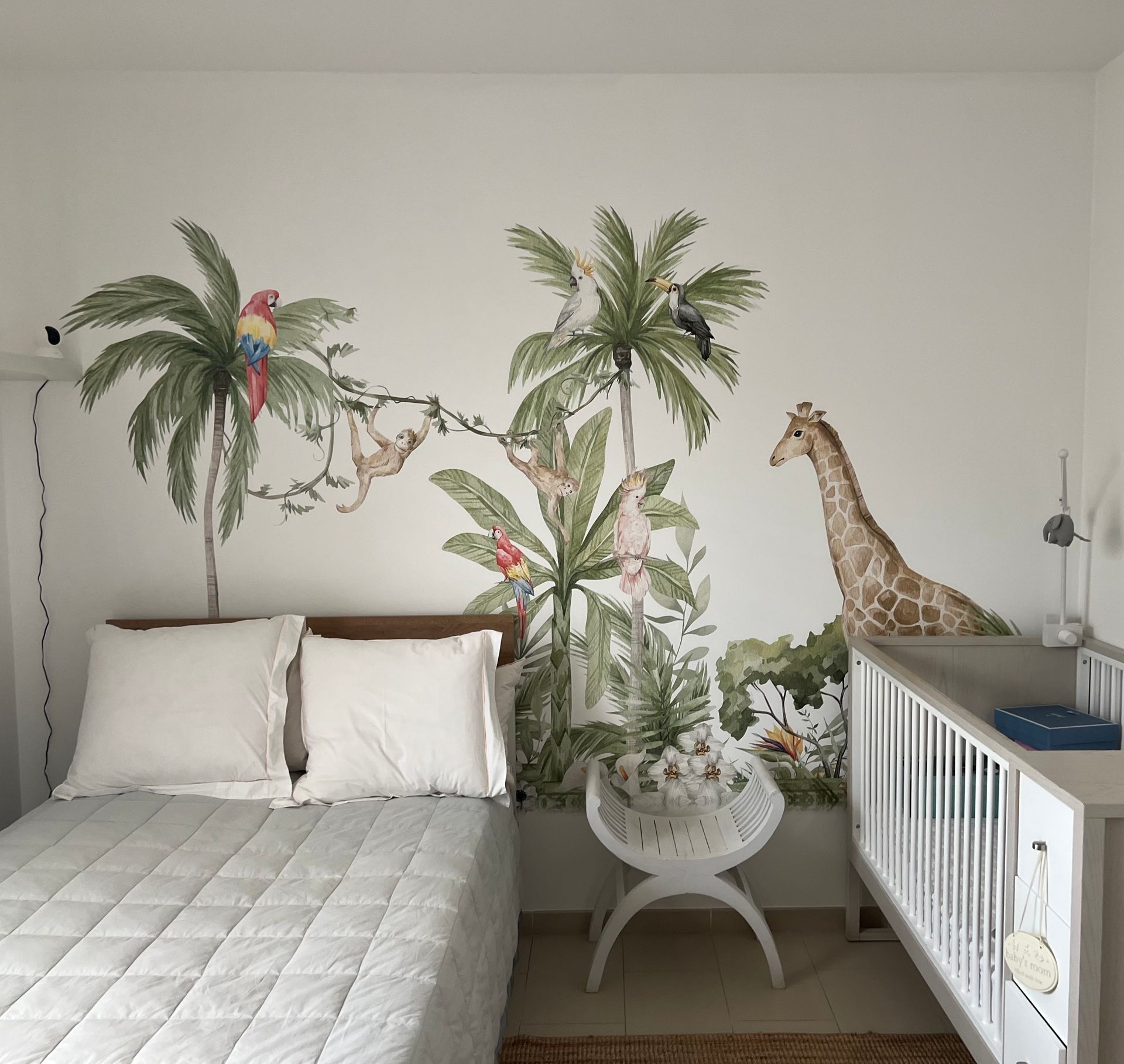
Beige walls offer none of this. They provide no storytelling, no curiosity and no emotional connection. In contrast, wall art created through vertical printing allows large-scale, immersive visuals that children can explore every day. Animals, landscapes, letters, patterns or cultural themes become part of the learning experience rather than an afterthought.
Calm Doesn’t Mean Colourless
One of the biggest misconceptions in educational design is that colour equals chaos. Well-designed printed walls can create calm, structure and familiarity. Thoughtful colour palettes, consistent themes and intentional placement guide behaviour rather than disrupt it.
Wall printing gives schools and nurseries the ability to design calm but engaging environments. Soft tones can still be used, but at scale, with purpose and variation. A large, illustrated wall can feel far more grounding than blank beige paint that offers no reference point at all.
Kids Remember Spaces That Feel Alive
Children form strong emotional associations with places. A space that feels playful, imaginative and welcoming becomes somewhere they want to return to. Printed walls help create those associations by giving spaces personality.
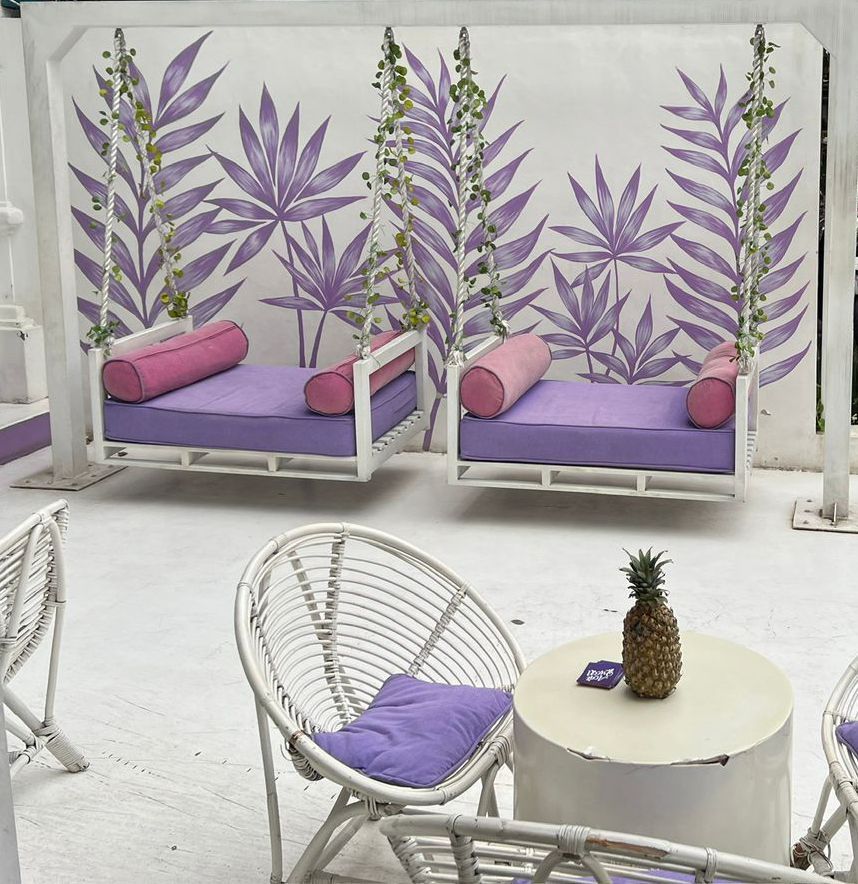
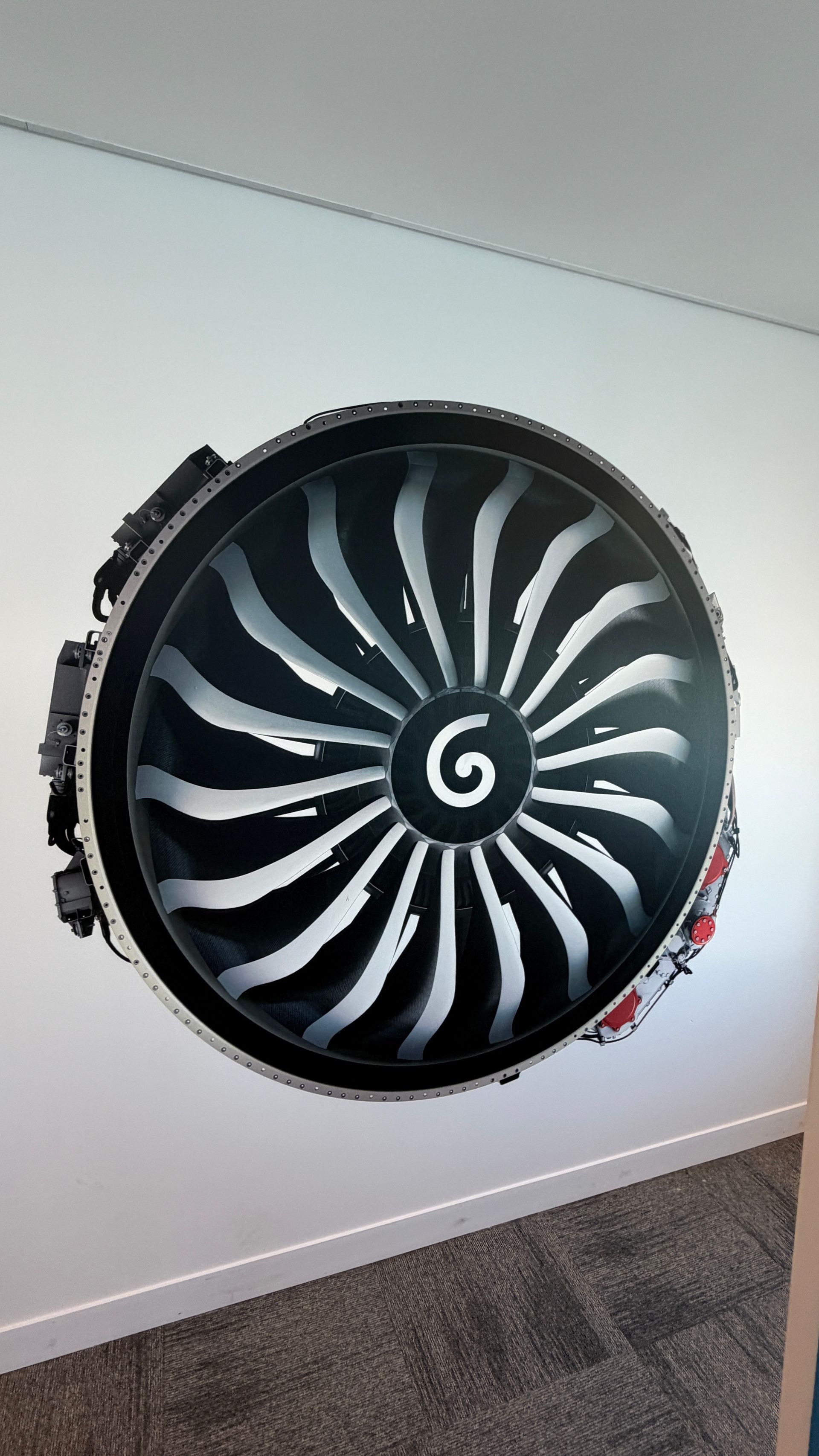
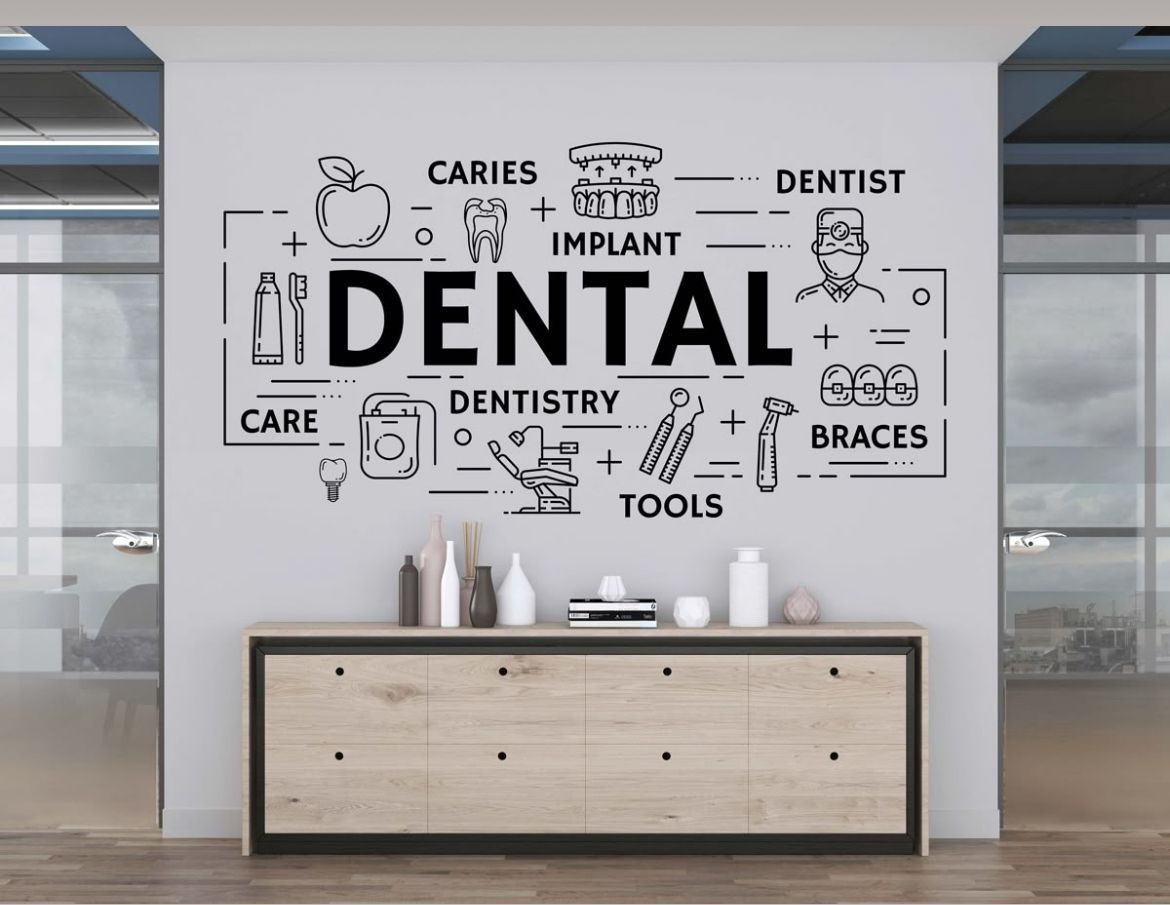
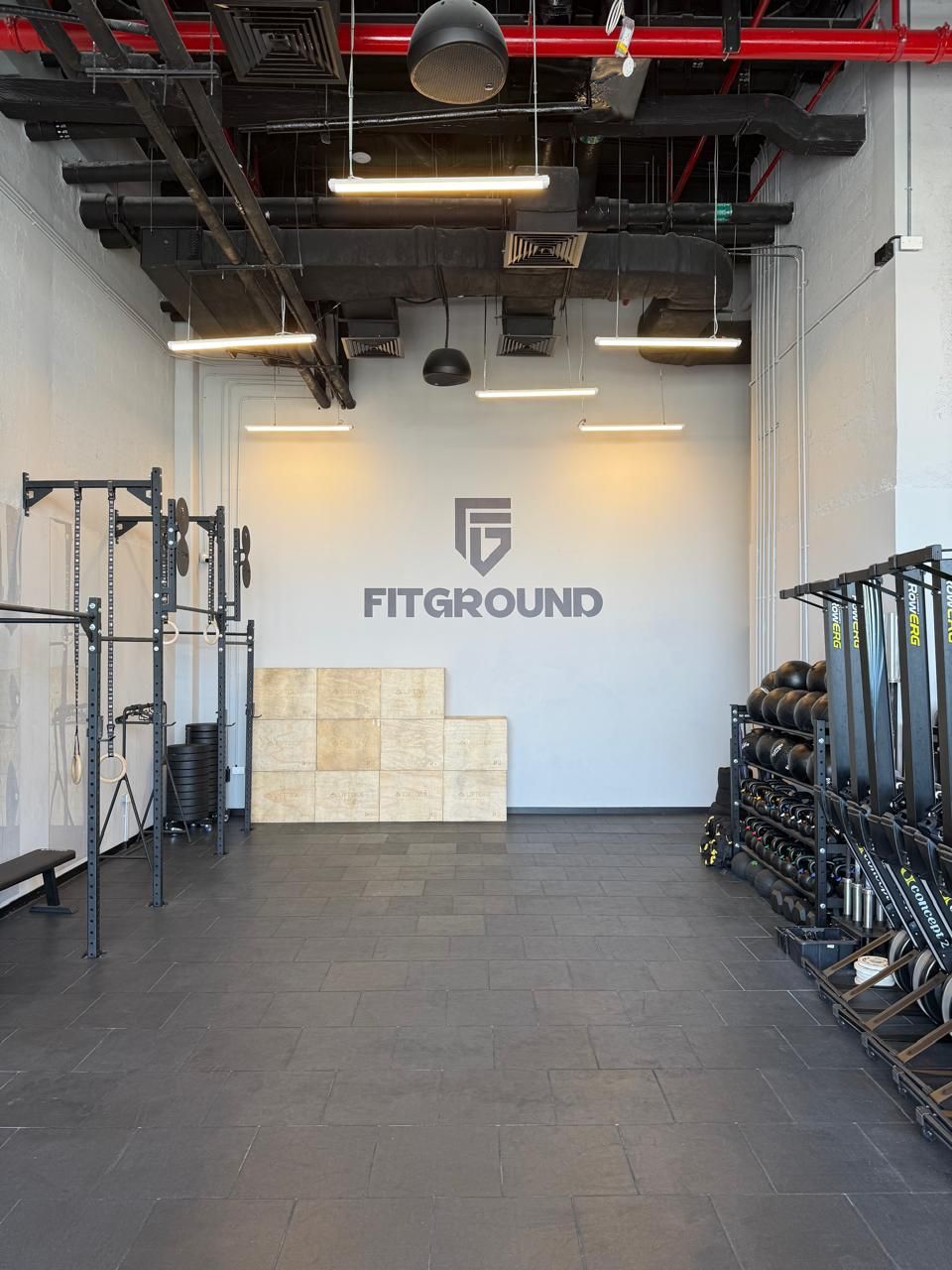
Whether it’s a reading corner, play area or hallway, wall printing allows environments to feel alive. Unlike posters or temporary decorations, printed walls are permanent, seamless and part of the architecture. The space feels designed for children, not adapted for them.
Why This Matters in the UAE
In cities like Dubai and Abu Dhabi, schools and nurseries are highly competitive. Parents don’t just assess curriculum; they judge environments. First impressions matter, and wall art is one of the fastest ways to communicate care, creativity and quality.
Wall printing in the UAE also offers practical benefits for kids’ spaces. Printed walls are durable, easy to clean and long-lasting, making them suitable for high-traffic areas. They hold colour well and don’t peel or tear like posters or stickers.
Designing for Kids Is Designing with Intention
Kids’ spaces deserve the same level of design thinking as adult environments, if not more. Choosing beige is often about safety and convenience, not intention. But children notice when a space is designed for them.
Vertical printing allows schools, nurseries and family spaces to turn walls into tools for learning, comfort and imagination. Art on walls becomes part of daily life, not something added on later.
Final Thoughts
Beige walls may feel neutral, but for kids, they are invisible. And invisible spaces don’t inspire curiosity, confidence or connection.
Kids’ environments should feel engaging, expressive and welcoming. With wall printing and thoughtfully designed printed walls, schools and family spaces across the UAE can create interiors that support development, creativity and joy.
Because kids don’t need beige. They need spaces that speak to them.