Designing Walls for People Who Are in a Hurry
Most interior design assumes time. Time to look, time to notice, time to appreciate detail. But in reality, many of the people moving through buildings every day are in a hurry.
Commuters rushing to work. Parents juggling children. Patients navigating unfamiliar spaces. These people don’t stop to admire décor, yet they still absorb visual information. What they register happens quickly, often subconsciously. This is where wall design becomes less about decoration and more about impact.
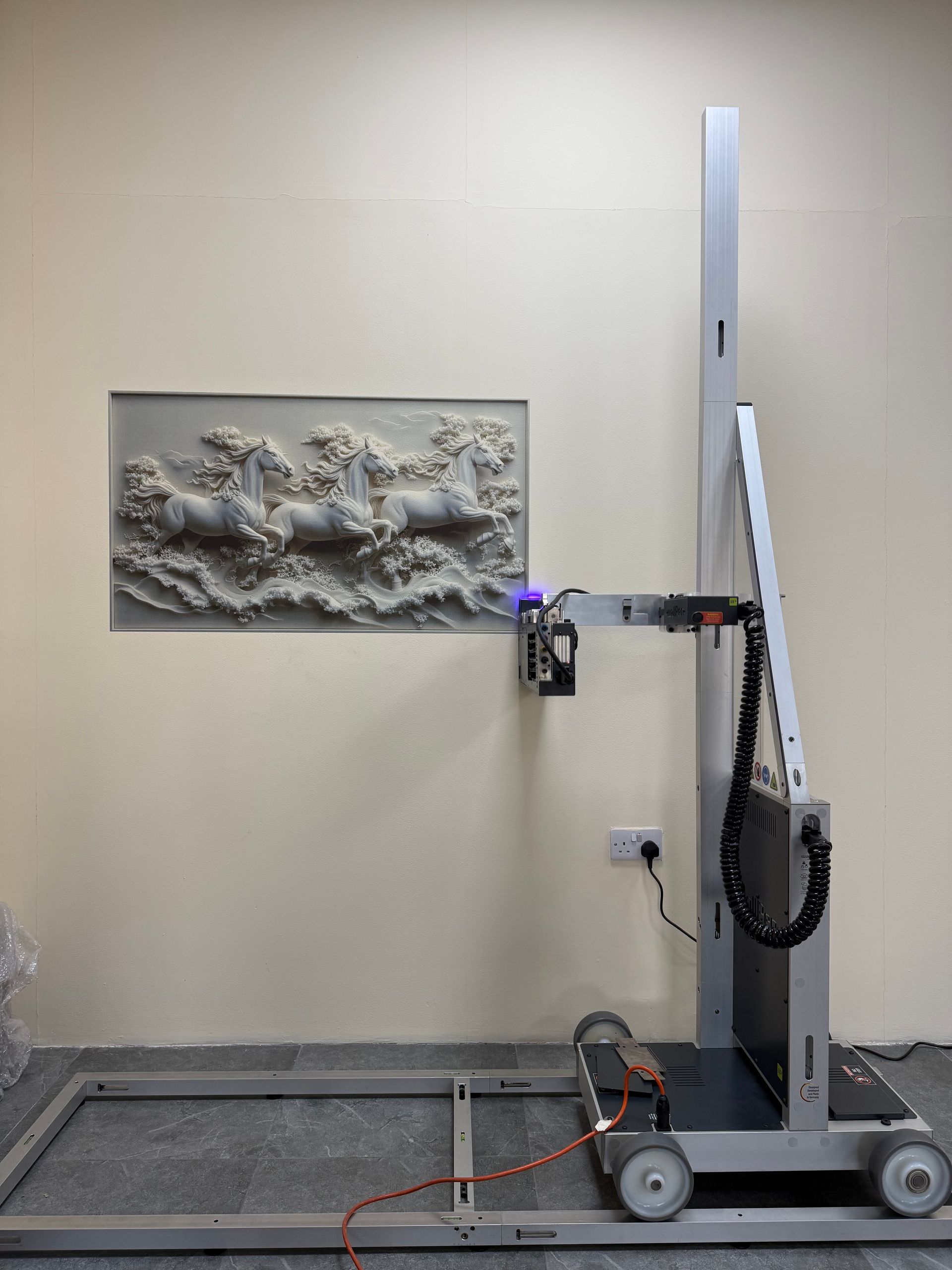
Vertical printing and printed walls are uniquely suited to designing for speed.
What Rushed People Actually Notice
When people are moving quickly, the brain filters aggressively. Fine details disappear. Small, framed pieces go unnoticed. What remains are large shapes, strong contrast and clear visual direction.
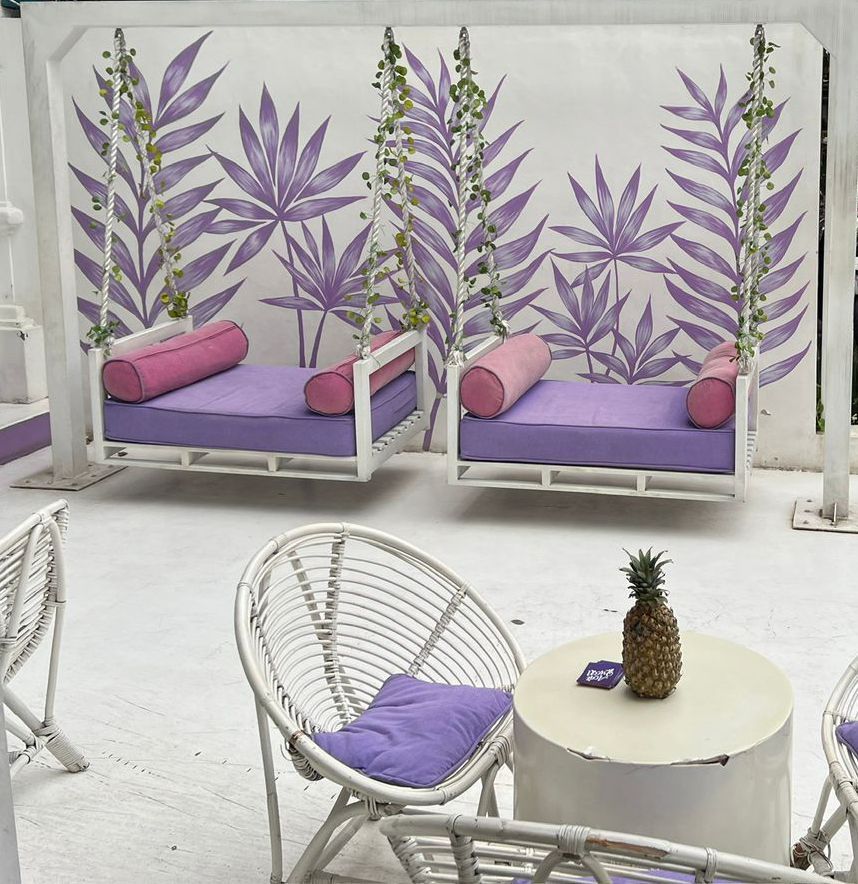
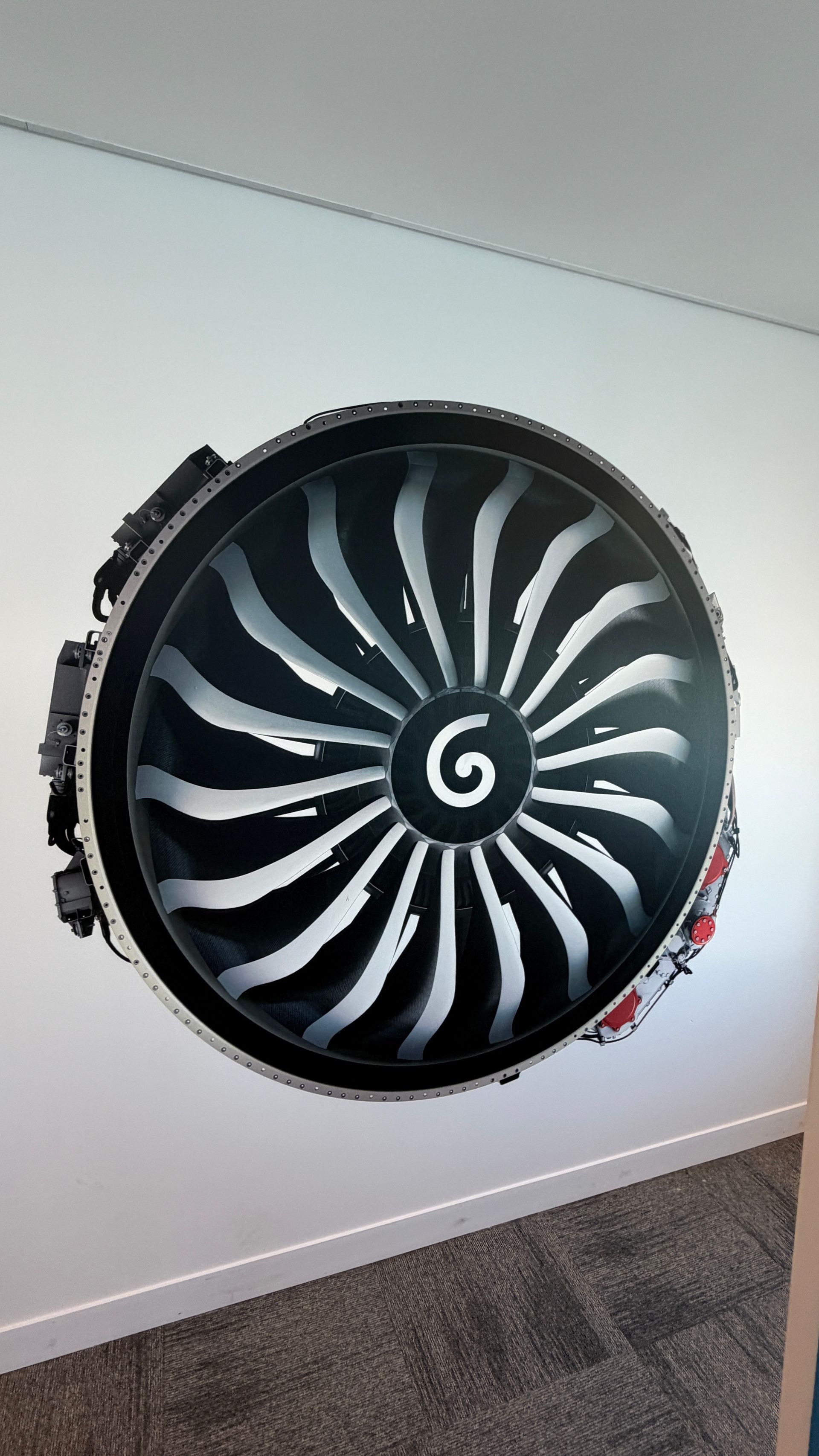
Wall art that relies on subtlety or close inspection fails in these moments. Printing on walls works because it allows designs to be scaled correctly for fast-moving viewers. Full-height visuals, strong compositions and legible imagery register instantly, even in passing.
This is why printed walls outperform traditional wall decor in high-traffic environments.
Movement Changes Visual Perception
Walking speed affects how we see. The faster someone moves, the wider their visual scan becomes. Walls are read in fragments rather than as complete images. Vertical printing supports this behaviour by allowing artwork to unfold across space instead of being confined to a single frame.
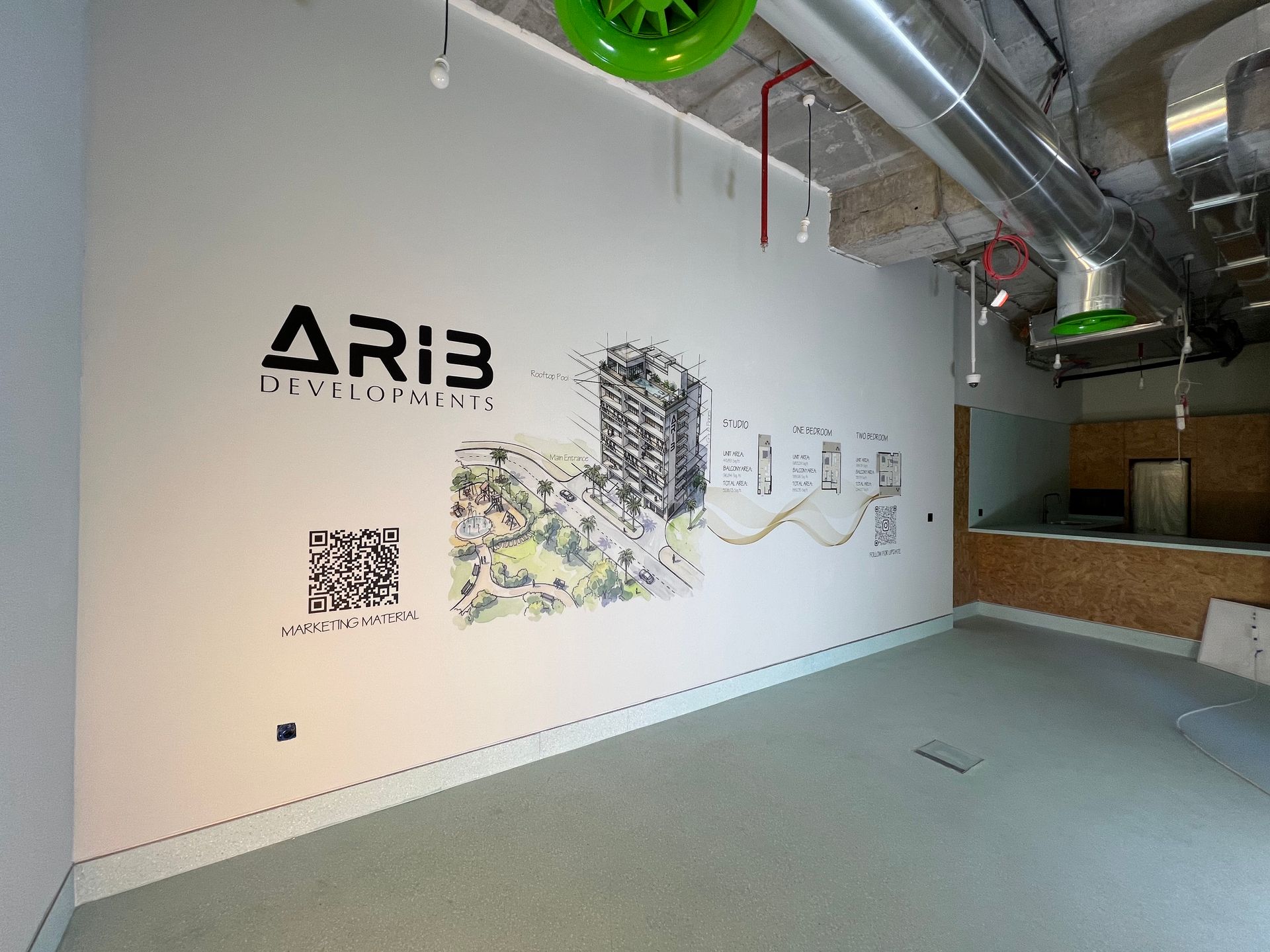
Printed walls can guide the eye forward, creating flow rather than distraction. This is especially valuable in corridors, entrances and waiting areas where people are rarely stationary.
Why Wallpaper and Stickers Fail Under Pressure
Wallpaper and applied graphics often rely on pattern repetition and detail. When viewed quickly, these patterns blur and lose meaning. Seams, edges and peeling corners become more noticeable than the design itself.
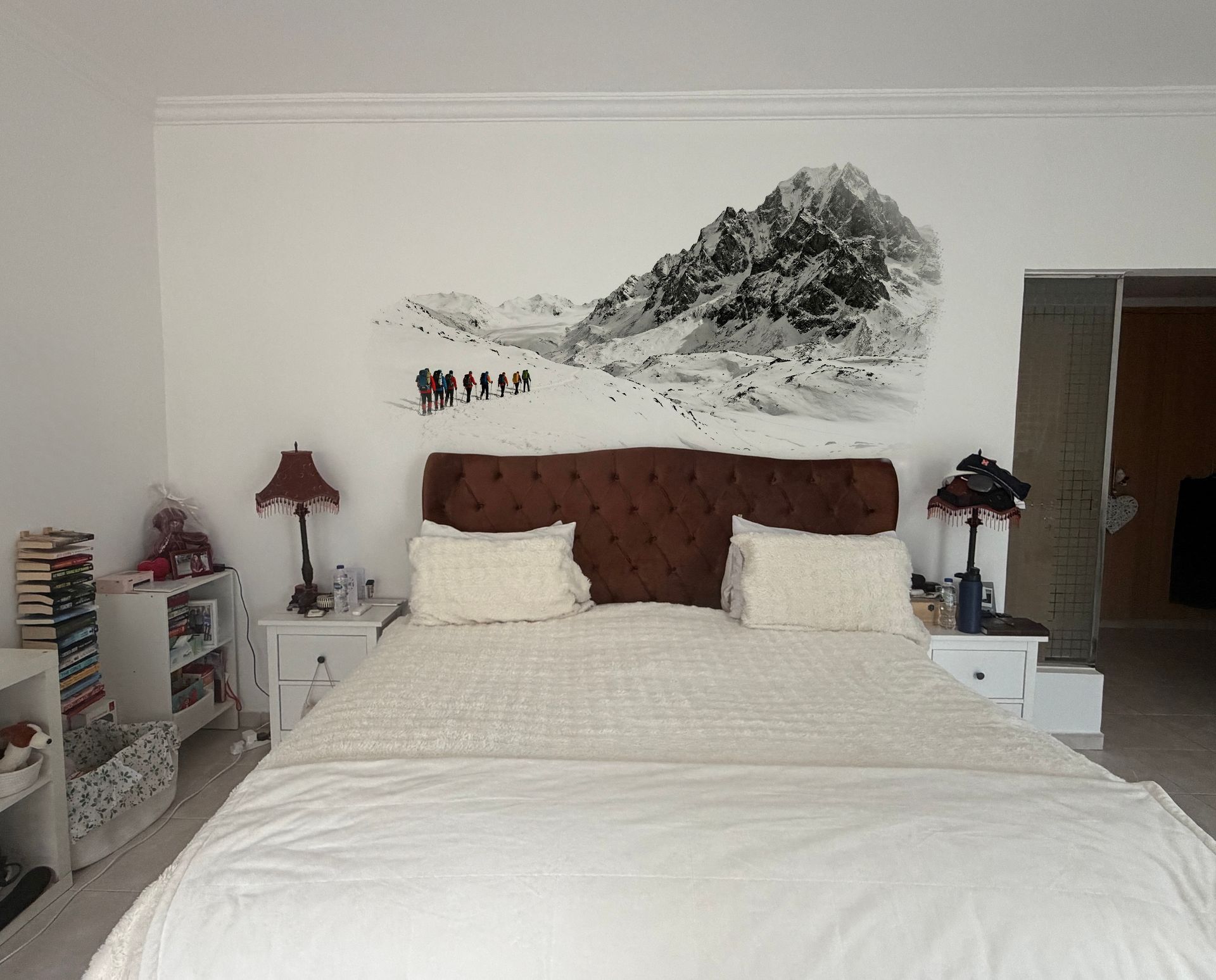
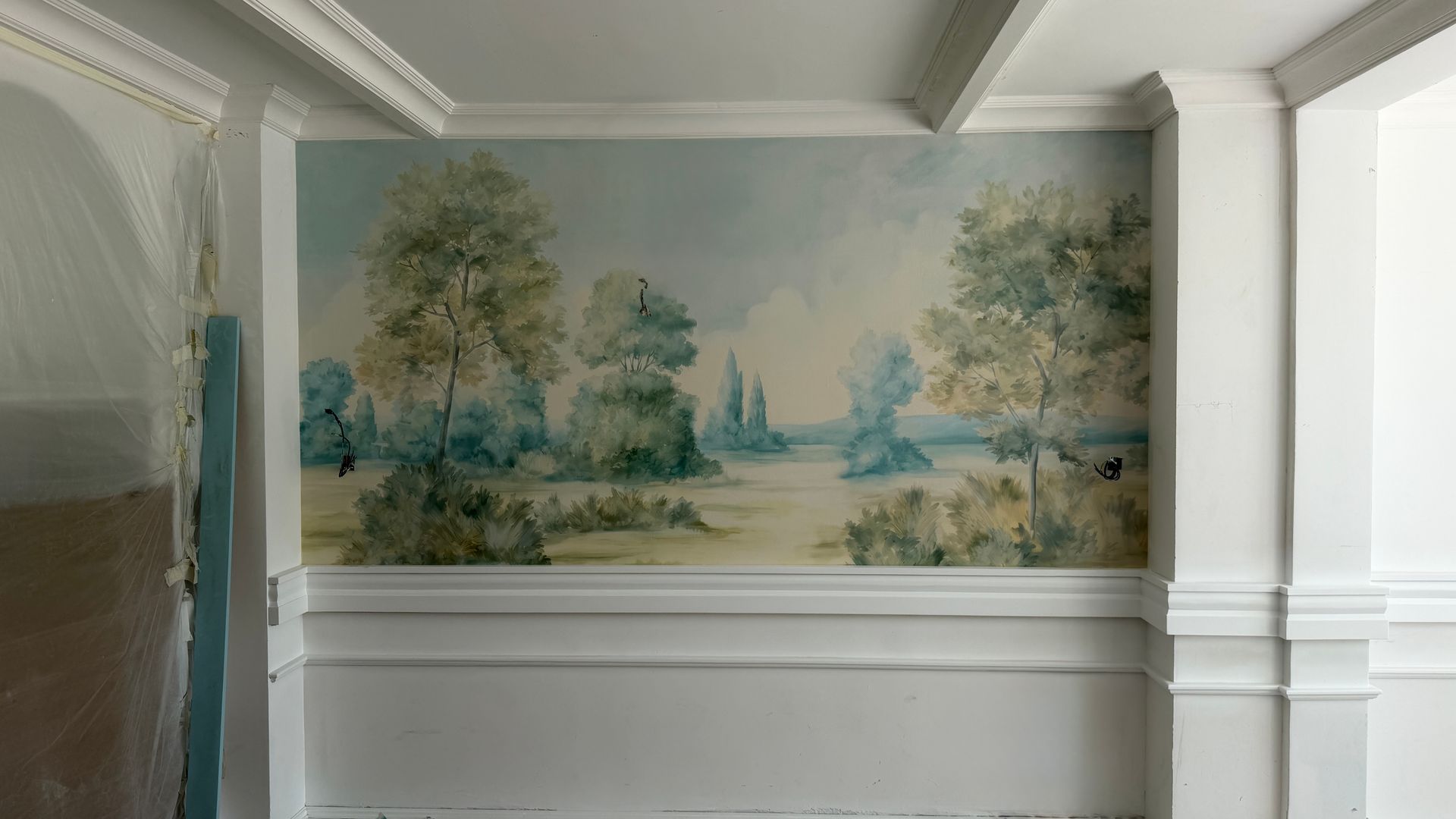
As a wallpaper alternative, wall printing eliminates these issues. Printing on walls creates seamless, large-scale wall art that holds up visually even when viewed for only a few seconds. There are no joins to interrupt the image and no small elements that disappear at speed.
High-Stress Environments Need Clear Visual Signals
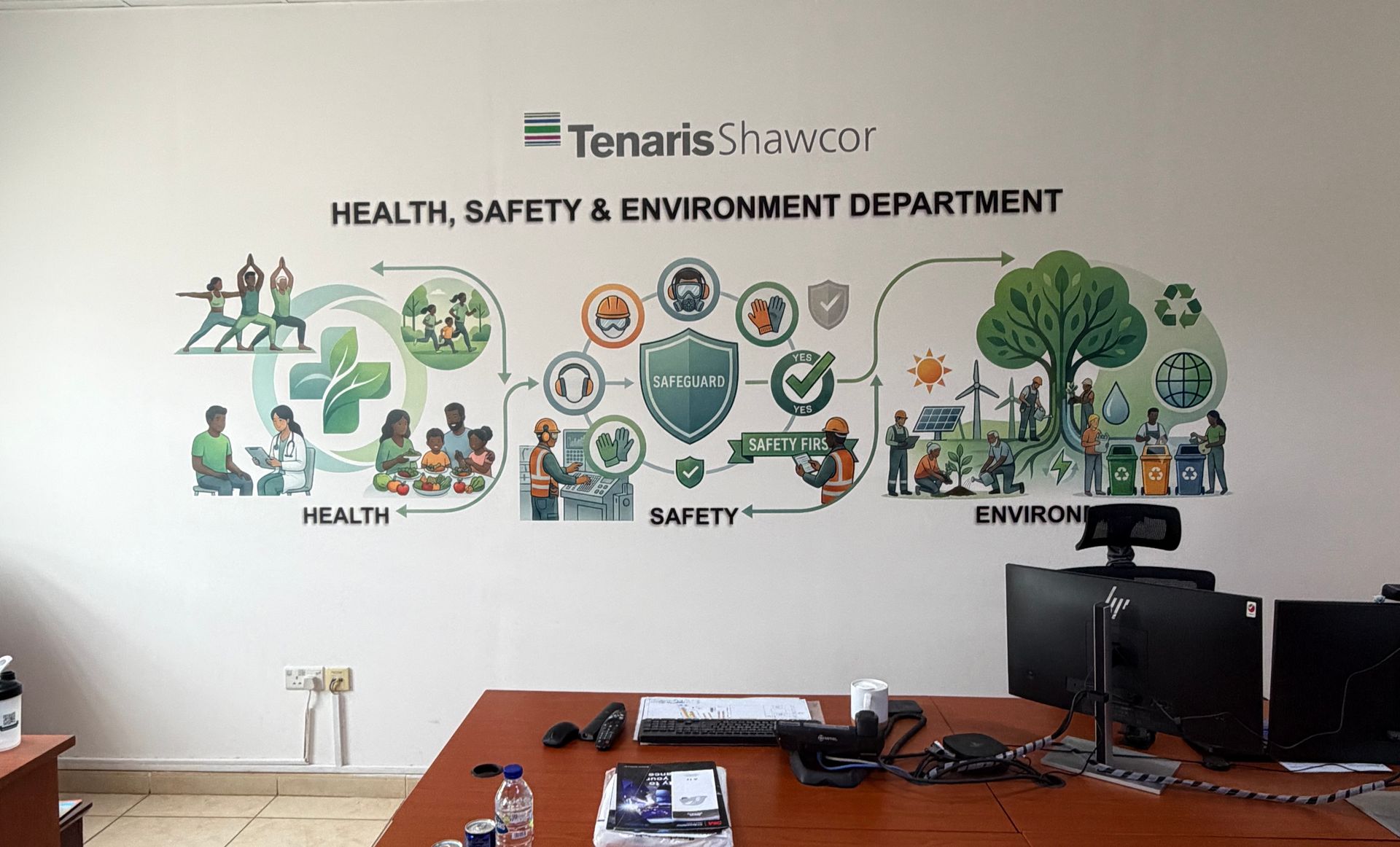
In hospitals, schools, offices and transport-adjacent buildings, people are often stressed or distracted. Clear visual cues reduce friction. Calm colours, recognisable imagery and consistent wall art help orient people without demanding attention.
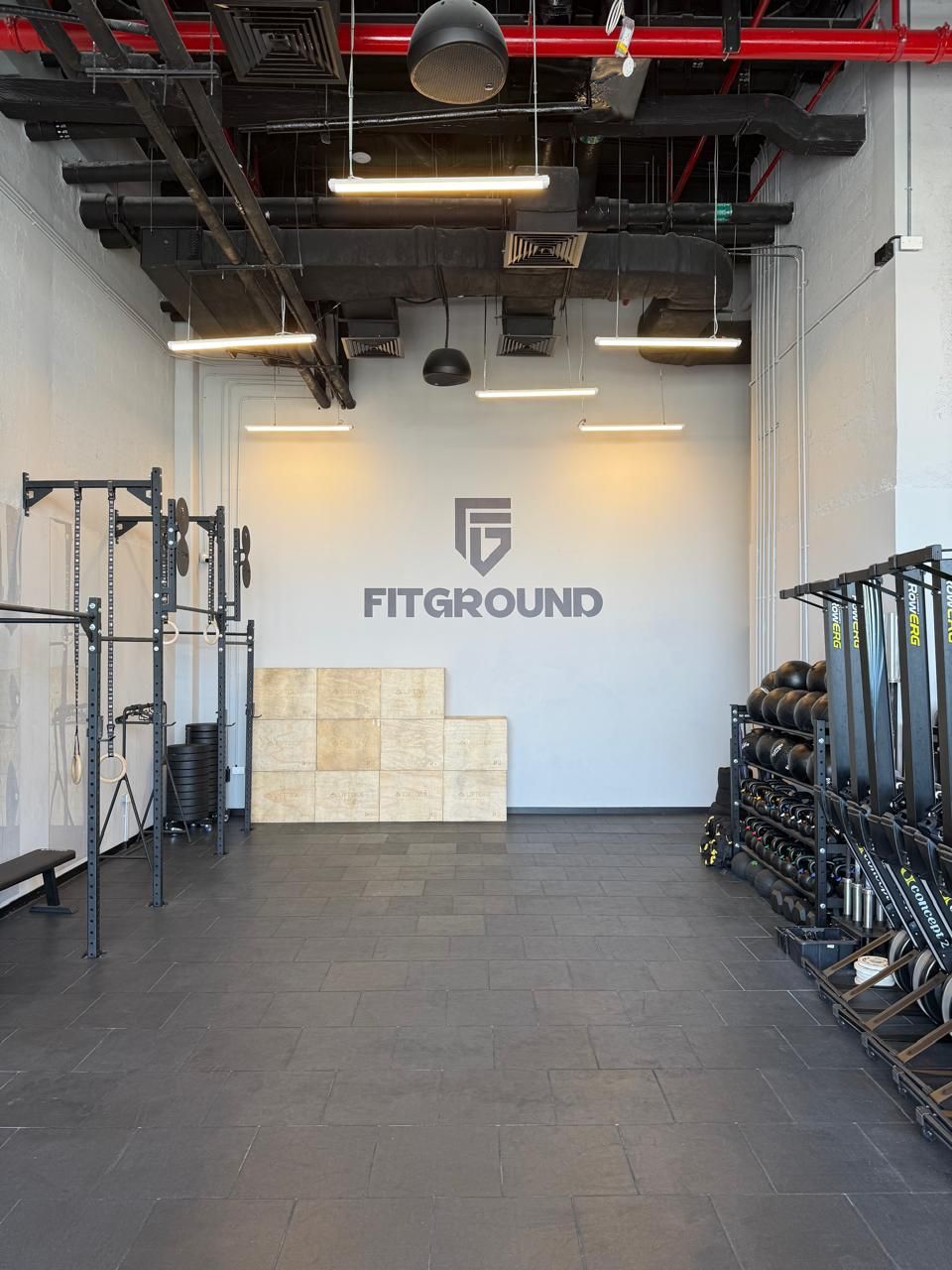
Wall printing allows these cues to be integrated directly into the environment. Printed walls can subtly guide movement, define zones and set emotional tone without adding clutter or signage overload.
Why This Matters in Real-World Use
Design that only works when people stop and look is incomplete. Most users experience spaces while moving, multitasking or under pressure. Vertical printing acknowledges this reality.
Printed walls ensure that wall art works at a glance, not just on inspection. This makes wall printing particularly effective in environments where speed, clarity and durability matter.
Designing walls for people in a hurry means designing for reality. It means understanding how the brain processes space under pressure and using scale, contrast and clarity to communicate instantly.
With wall printing, vertical printing and well-designed printed walls, spaces can speak clearly even when no one has time to listen.
Because the most effective wall art isn’t the kind people stop to admire, it’s the kind they remember without realising why.