The Biggest Mistakes Businesses Make With Wall Graphics
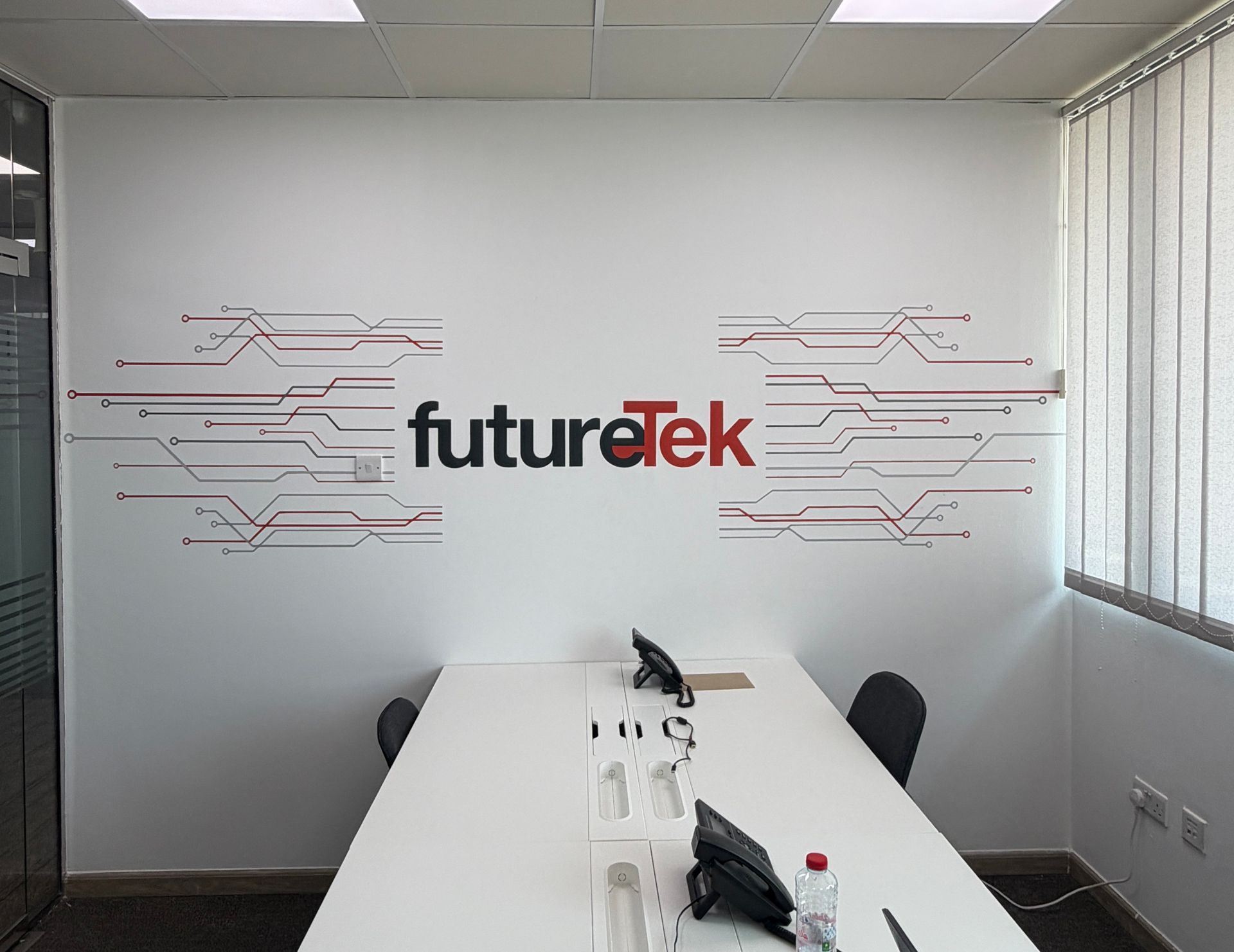
Most businesses don’t ignore their walls. They just get them wrong.
They invest in signage, interiors, furniture, lighting, but when it comes to walls, decisions are often rushed, delegated, or treated as purely decorative. The result is wall decor that fills space, but doesn’t add value.
In a market like the UAE, where customer experience and brand perception are everything, this is more than a design issue. It’s a missed commercial opportunity.
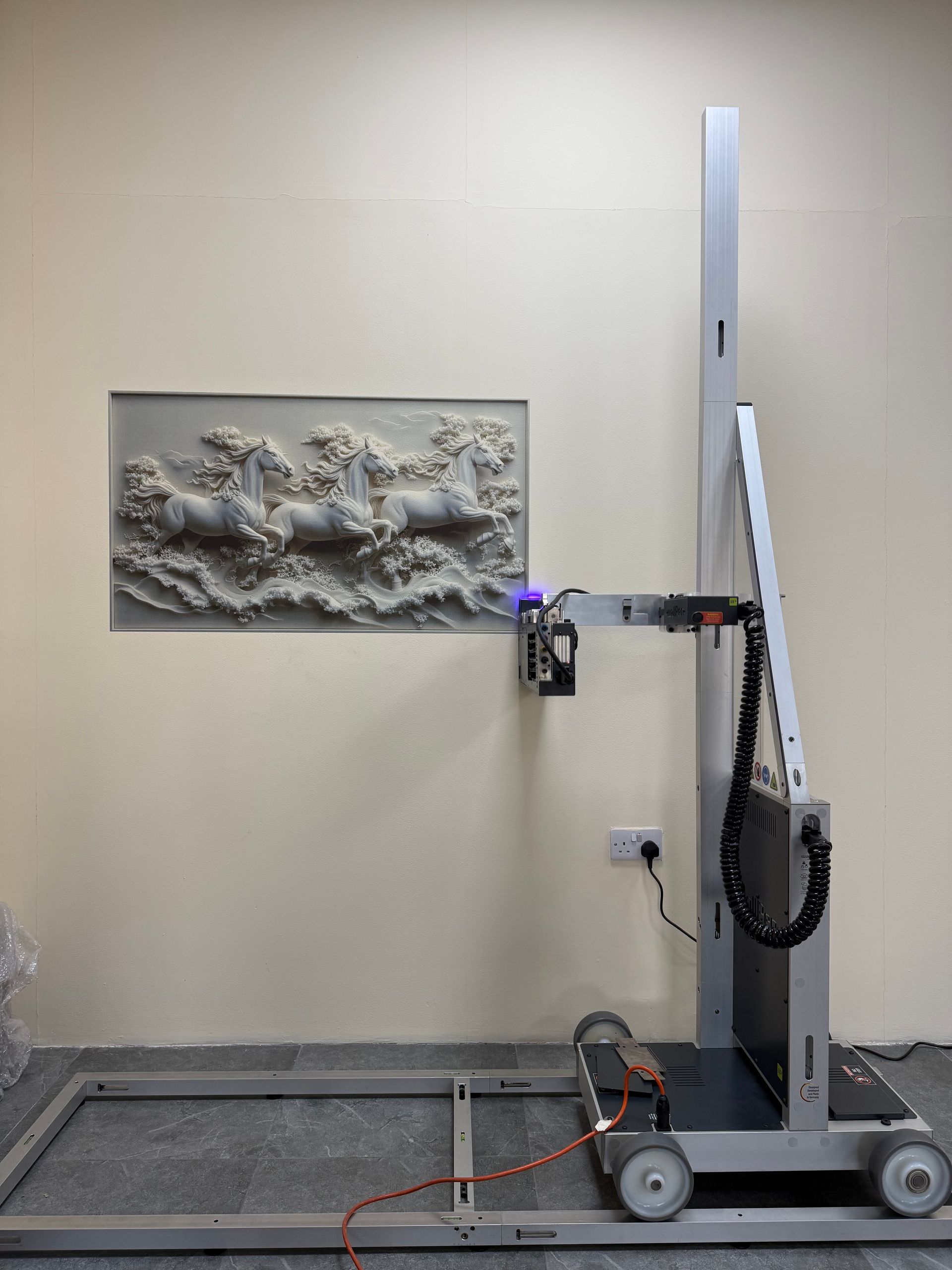
With the rise of wall printing, printed walls, and fully customised wall prints, businesses now have far more control over how their spaces look and feel. But that also means the margin for error has increased.
Here are the biggest mistakes businesses make with wall graphics and why they matter.
Treating Walls as an Afterthought
One of the most common mistakes is leaving walls until the very end of a project. By that point, budgets are tighter, timelines are shorter, and decisions are made quickly just to “finish the space.”
This leads to generic wall art that doesn’t align with the brand, the layout, or the intended experience.
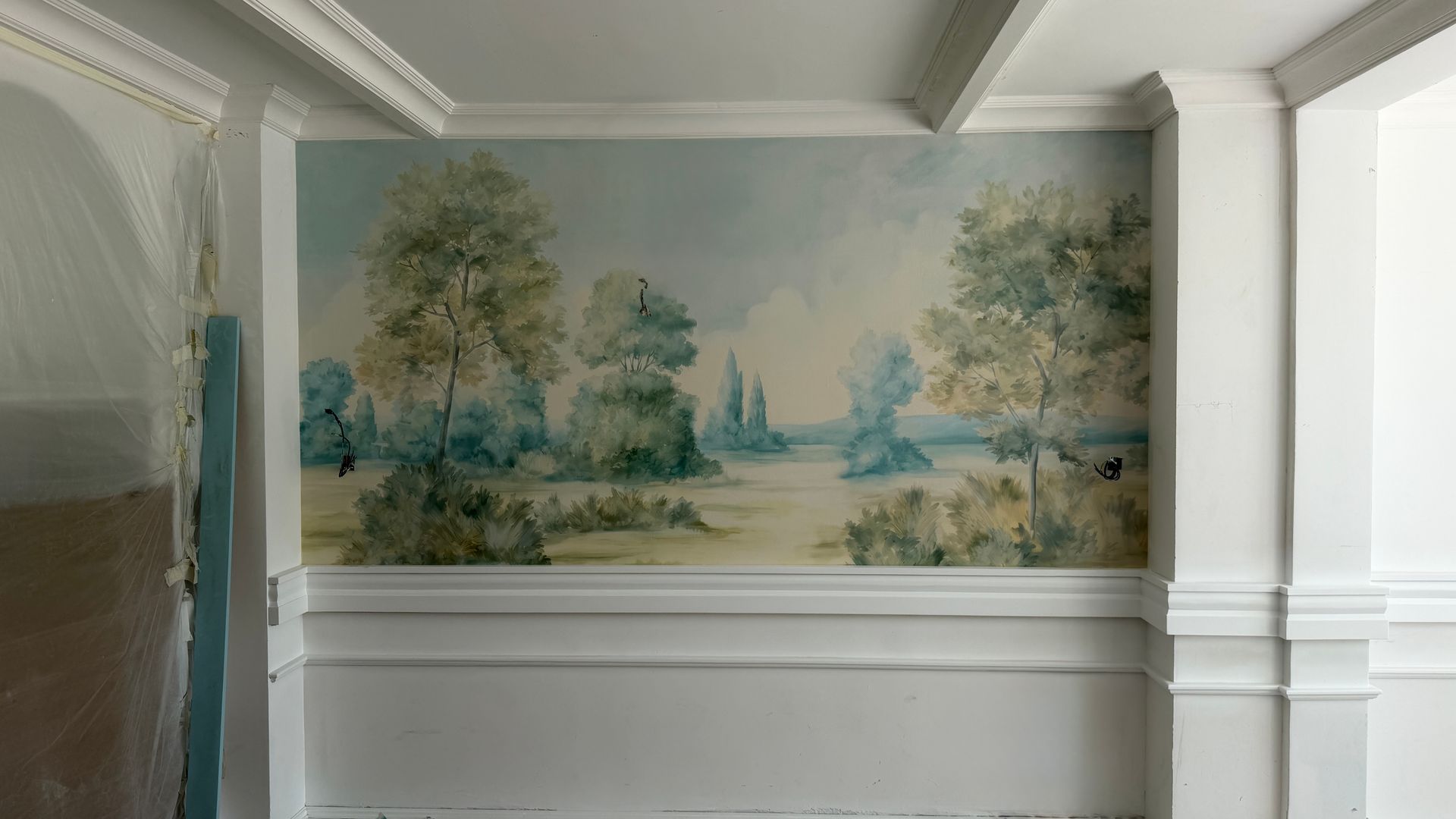
Walls are not a finishing touch. They are one of the first things people see and one of the largest visual elements in any environment. When approached strategically, wall printing can define the entire space rather than simply fill it.
Choosing Aesthetic Over Function
A space can look good and still fail.
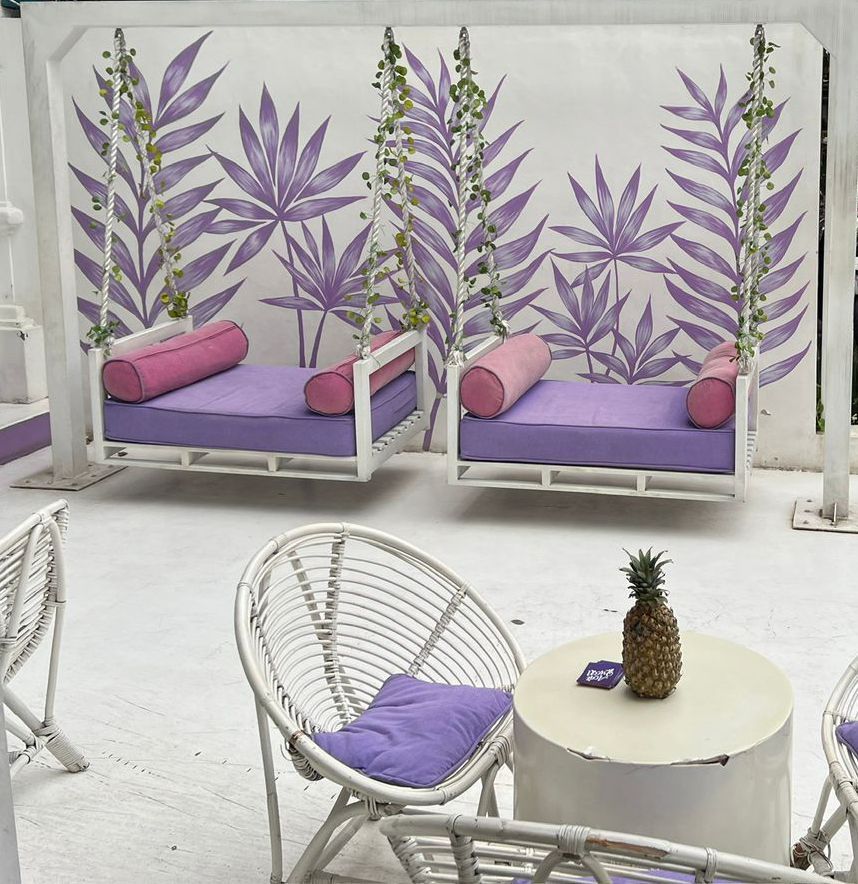
Many businesses focus on creating something visually appealing without considering how it actually performs. The result is wall decor that photographs well but does little to influence behaviour, mood, or engagement.
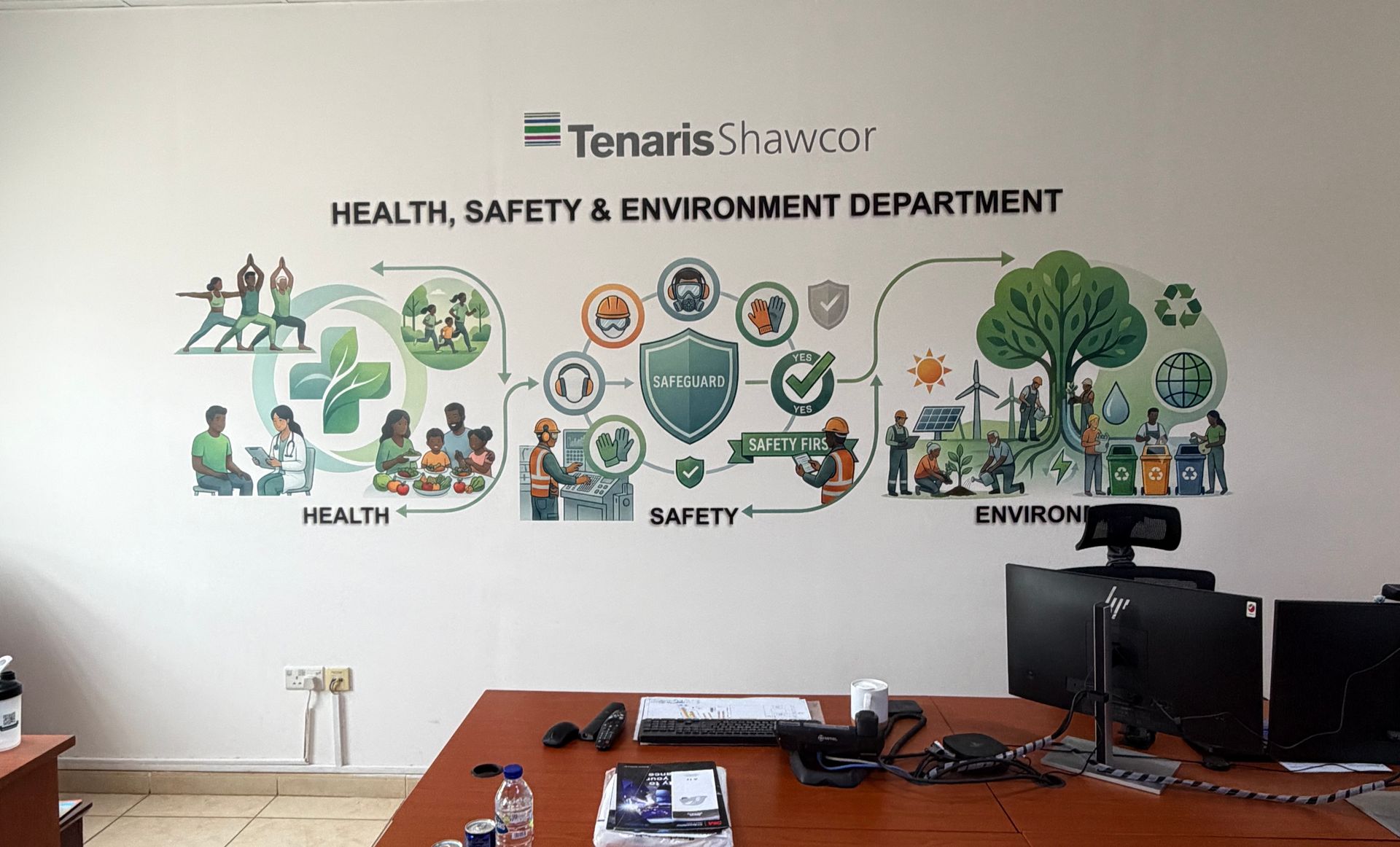
Effective wall prints are designed with intention. They guide attention, create focal points, and support the purpose of the space. Whether it’s encouraging customers to stay longer, helping employees focus, or reinforcing brand identity, the design should always serve a function.
Ignoring Scale and Placement
Even strong designs can fall flat if they are poorly scaled or positioned.
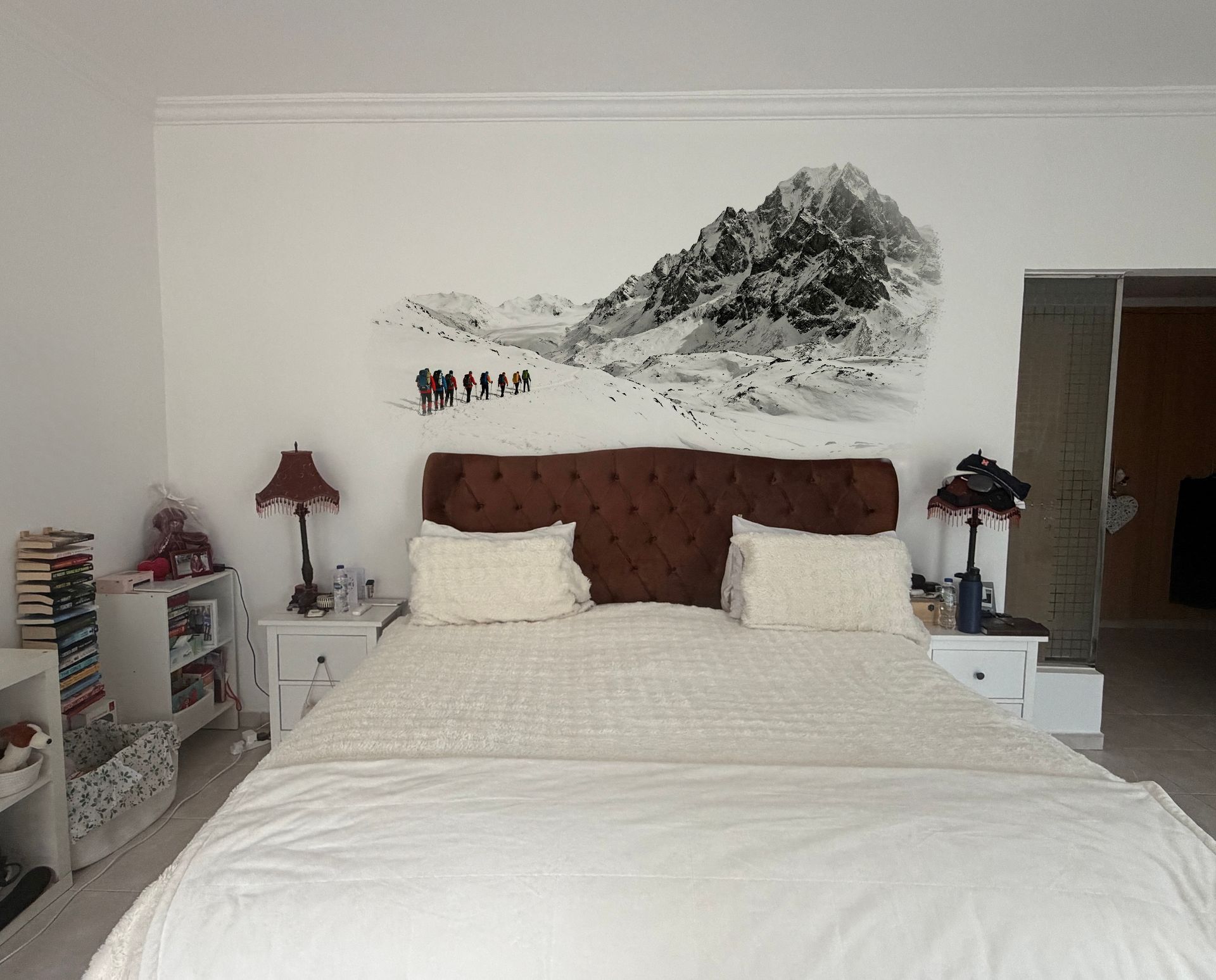
Small graphics on large walls often feel disconnected and insignificant. Overly busy designs in the wrong areas can become overwhelming. In both cases, the impact is lost.
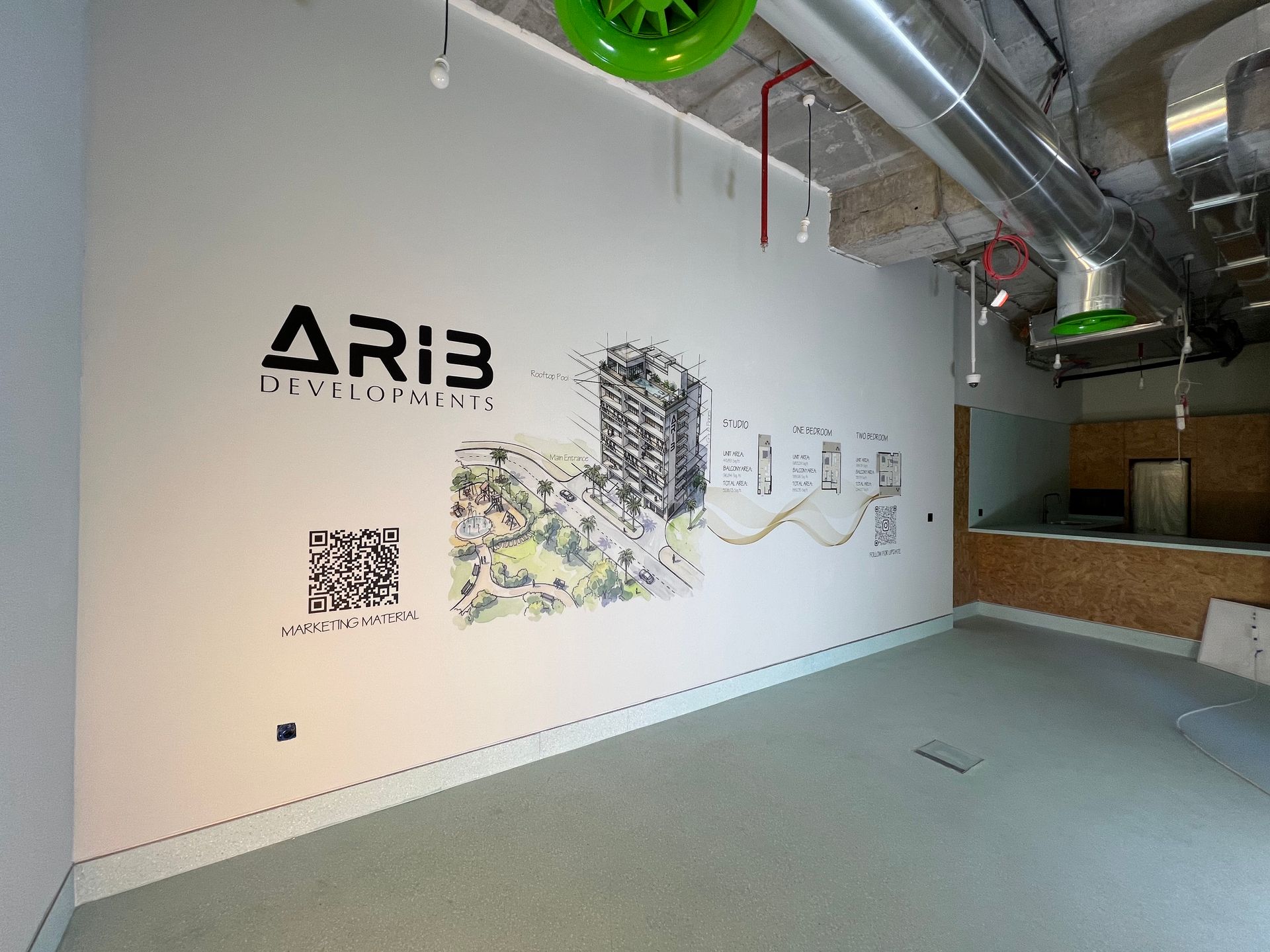
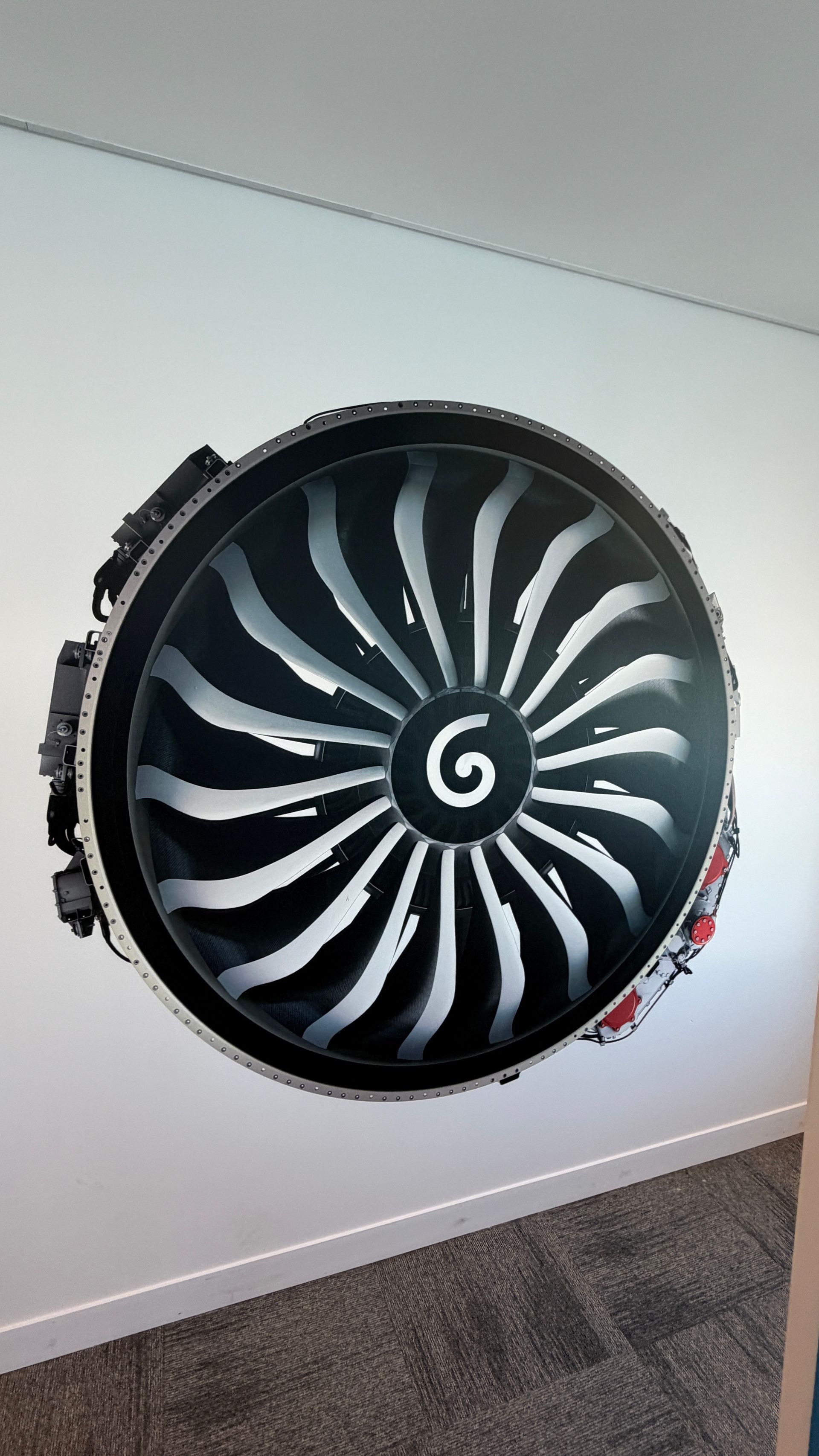
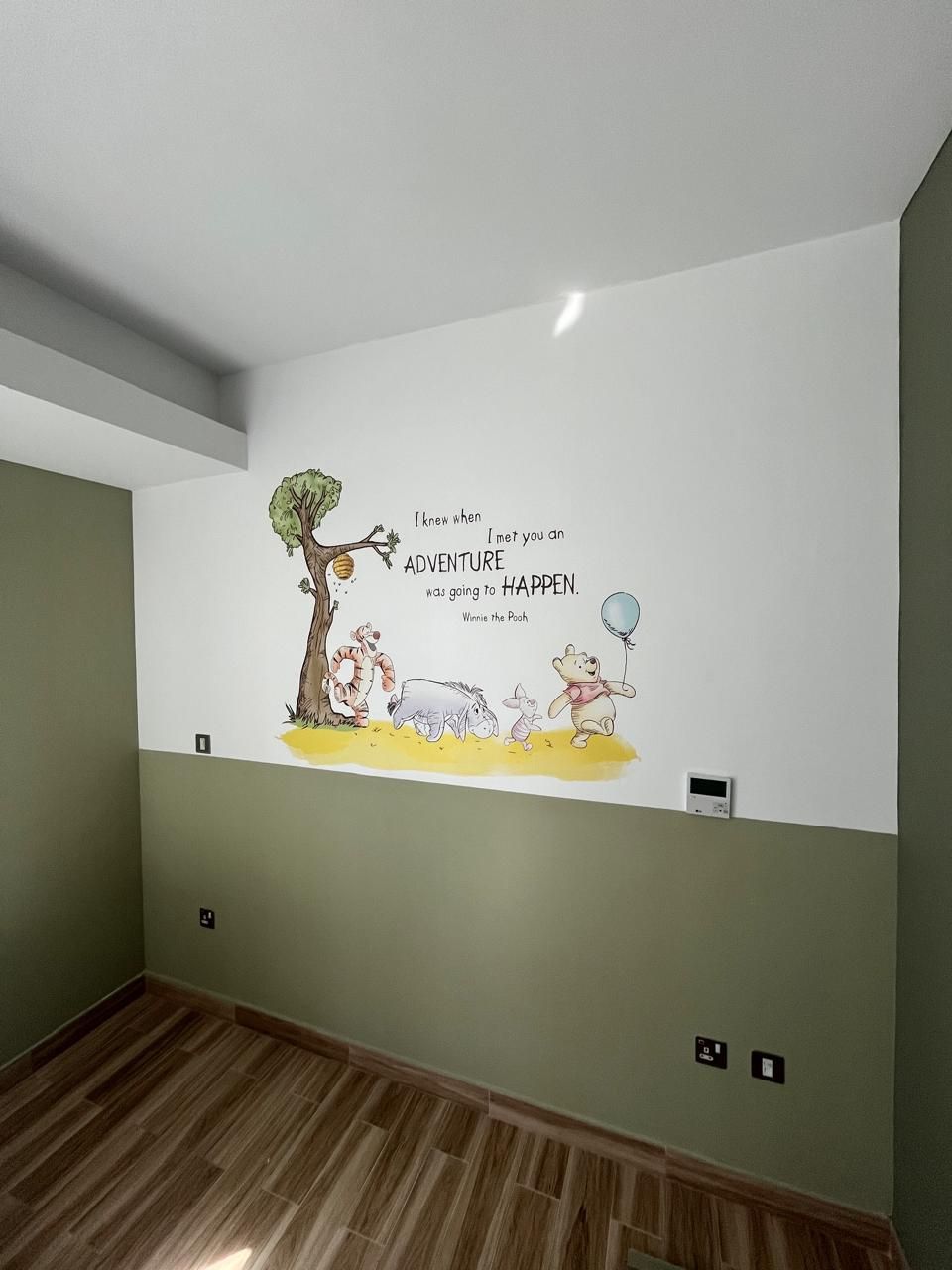
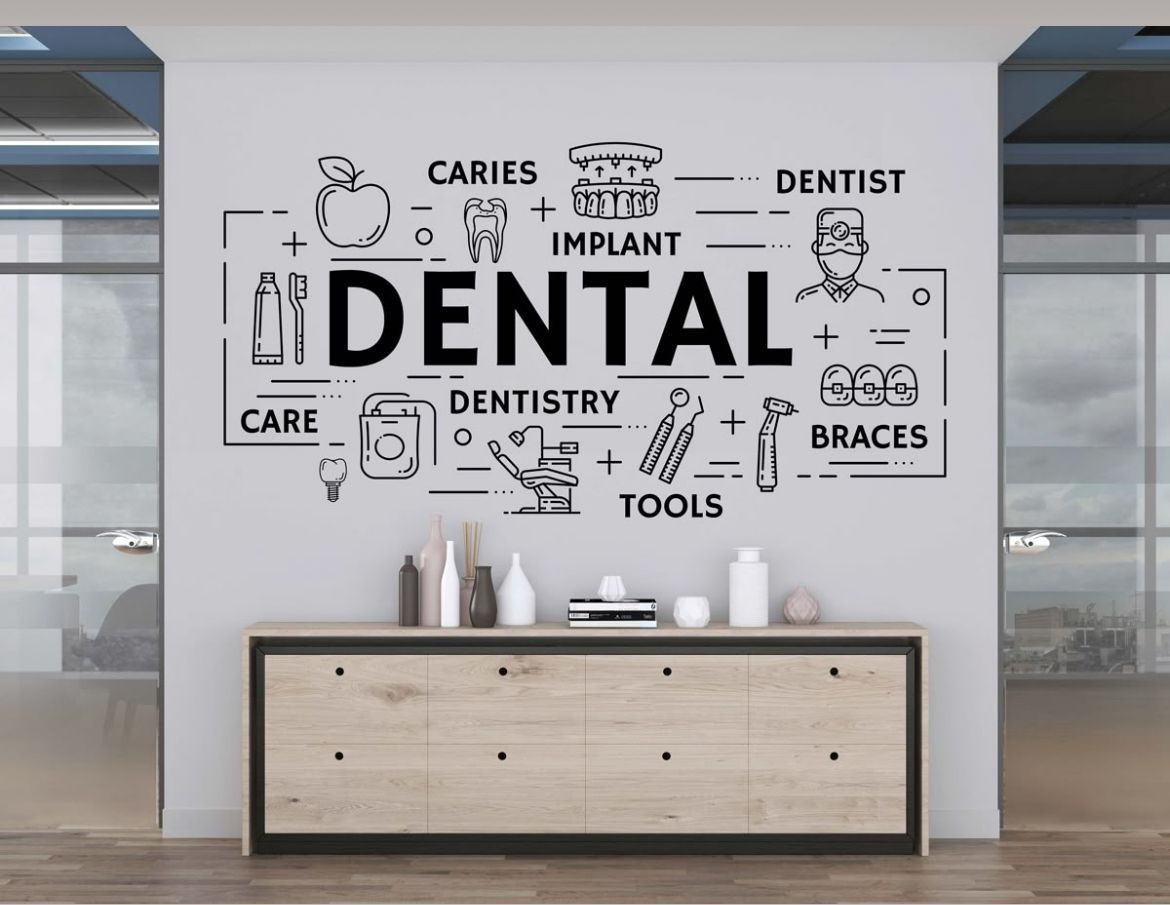
One of the advantages of printed walls is the ability to work at any scale. This flexibility should be used strategically. A well-placed, large-scale visual can transform an entire environment, while poor placement can make even high-quality wall art feel ineffective.
Copying Instead of Creating
Inspiration is everywhere, but copying trends rarely leads to strong results.
Many businesses replicate designs they’ve seen elsewhere — whether it’s a popular café aesthetic or a corporate office style — without considering whether it suits their own brand or audience.
This leads to spaces that feel familiar but forgettable.
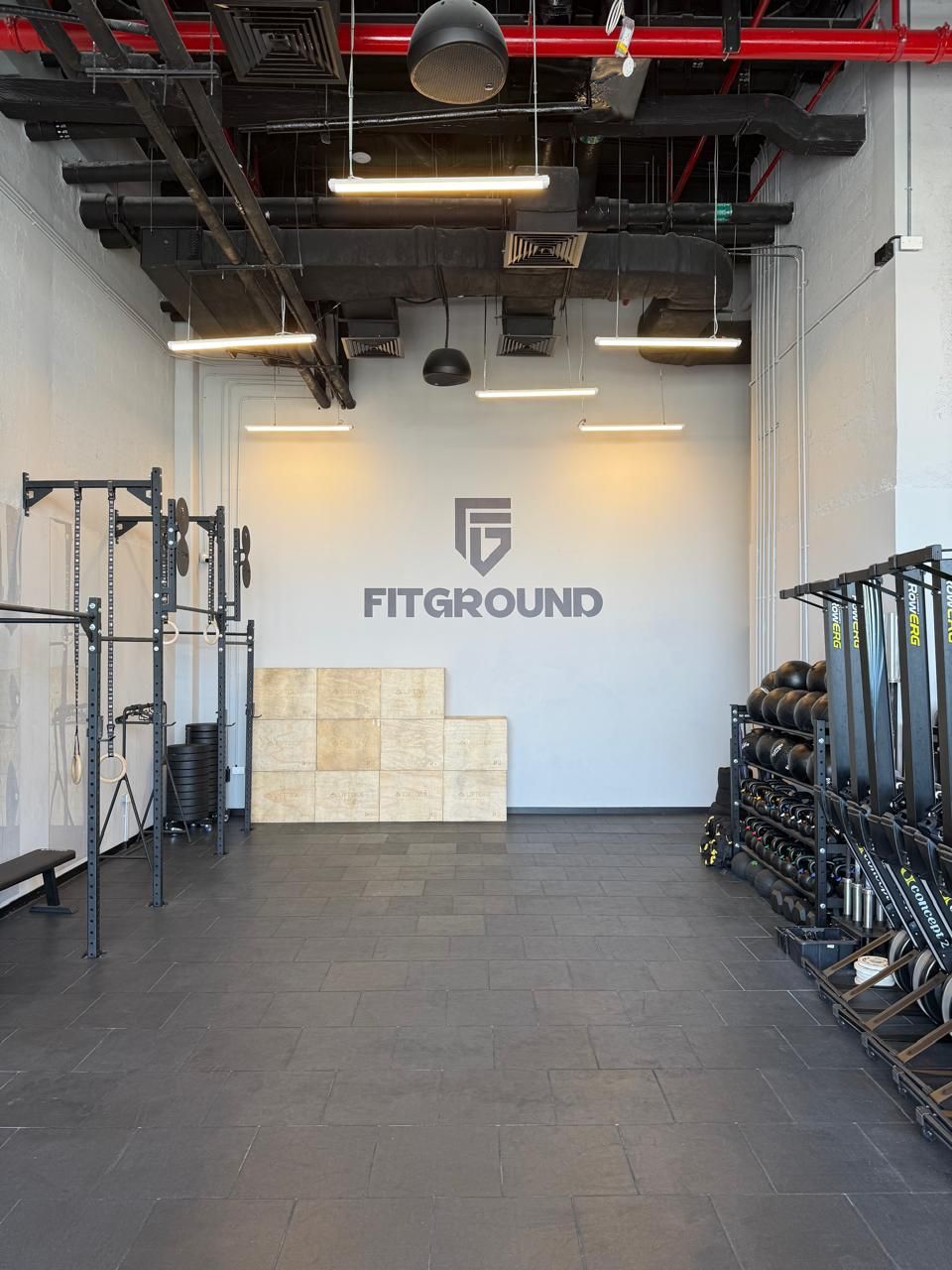
With wall printing, there is no need to rely on templates or trends. Every wall can be fully customised to reflect the identity of the business. Originality is what creates distinction, and distinction is what people remember.
Overcomplicating the Design
There is a tendency to try and say too much on a single wall.
Multiple messages, excessive text, and competing visuals can quickly turn a wall into noise. Instead of drawing people in, it pushes them away.
Strong wall prints are clear and focused. They communicate one idea well, rather than several ideas poorly. Simplicity, when executed properly, creates far more impact than complexity.
Overlooking Material and Longevity
Not all wall applications are created equal.
Traditional methods like wallpaper or vinyl can come with limitations — peeling, fading, visible joins, and ongoing maintenance. These issues affect not only the appearance of the space, but also long-term cost.
Modern wall printing offers a more durable and seamless alternative. High-quality printed walls are designed to last, maintaining their finish over time without the drawbacks of traditional materials.
Neglecting Sustainability
Sustainability is becoming increasingly important, yet it is often overlooked in interior decisions.
Many forms of wall decor involve excess materials, adhesives, and waste, especially when designs need to be replaced or updated.
A more sustainable approach to wall design considers both the process and the lifespan of the installation. Direct-to-wall printing reduces material usage and can utilise eco-friendly inks, making it a more efficient and responsible option for businesses in the UAE looking to align with modern sustainability standards.
Failing to Think About the Customer Experience
Ultimately, wall graphics are not for the business — they are for the people experiencing the space.
Too often, decisions are made based on internal preferences rather than external impact. What matters is how customers, clients, or employees feel when they walk in.
Well-executed wall art and printed walls create environments that feel intentional. They enhance the overall experience, making spaces more engaging, memorable, and aligned with the brand.
Wall graphics have the potential to do far more than decorate a space. When used correctly, they can influence perception, shape behaviour, and strengthen brand identity.
The difference lies in how they are approached.
Avoiding these common mistakes is not about spending more. It’s about thinking differently — treating walls as strategic assets rather than empty surfaces.
With the flexibility of modern wall printing, businesses have the opportunity to create spaces that don’t just look good, but work.
And in a competitive landscape like the UAE, that distinction is what sets brands apart.