
Your Walls Are Costing You Customers (And You Don’t Even Realise It)
Walk into any retail store, café, or office in the UAE and something happens instantly. Before a customer speaks to your team, looks at your products, or considers a purchase, they feel something about the space. That feeling is not random. It is being shaped, often unconsciously, by the environment around them. And more often than not, the single biggest influence in that environment is the wall.
Despite this, walls are still widely treated as an afterthought. Many businesses rely on basic paint, generic wall decor, or leave surfaces empty altogether. It feels safe, clean, and inoffensive. But in reality, it creates spaces that are forgettable. And in a competitive market like the UAE, forgettable is expensive.
In retail, this has a direct impact on conversions. Customers today are not just shopping for products; they are engaging with experiences. A store that feels flat or uninspired struggles to hold attention. People browse less, engage less, and leave sooner. On the other hand, spaces that use wall printing and printed walls strategically create immersion. They guide customers through the store, highlight key areas, and reinforce brand identity without needing explanation. The result is simple: people stay longer, connect more, and are far more likely to buy.
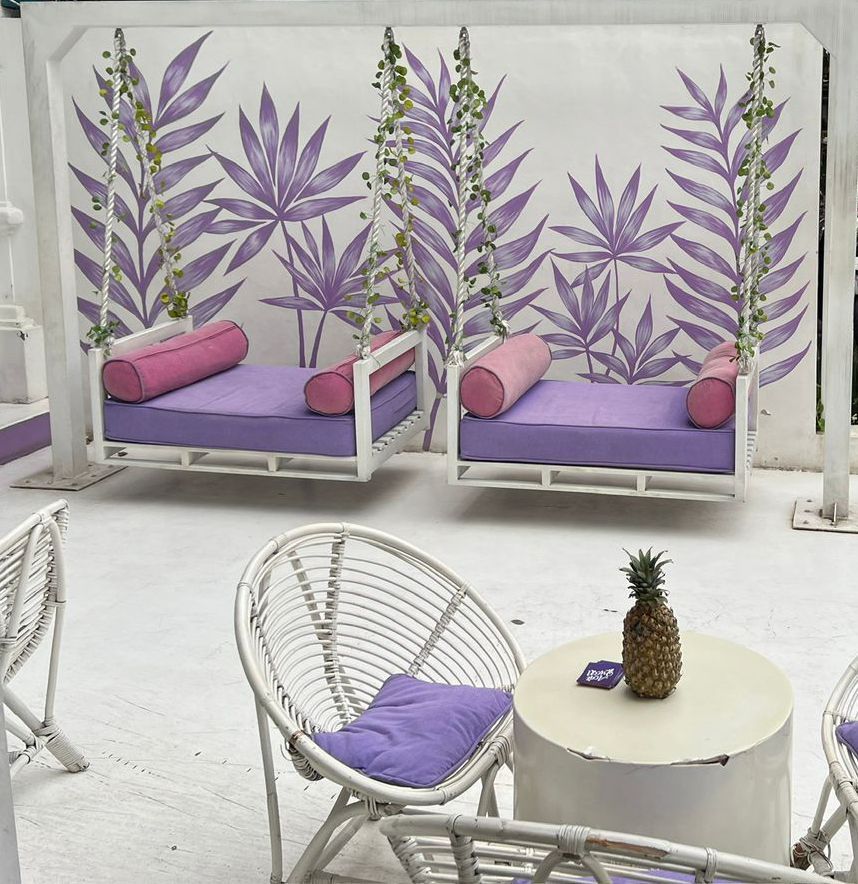
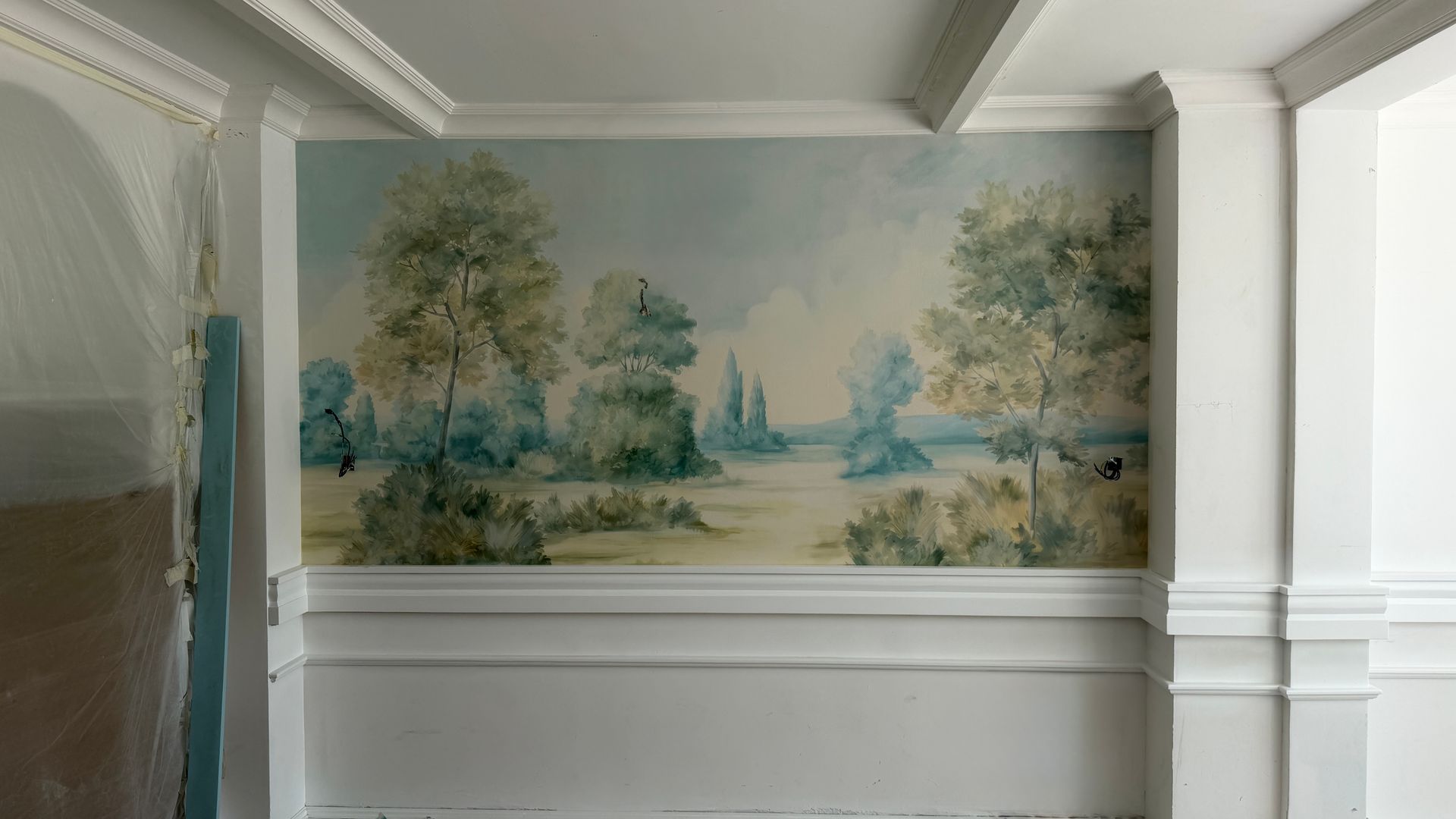
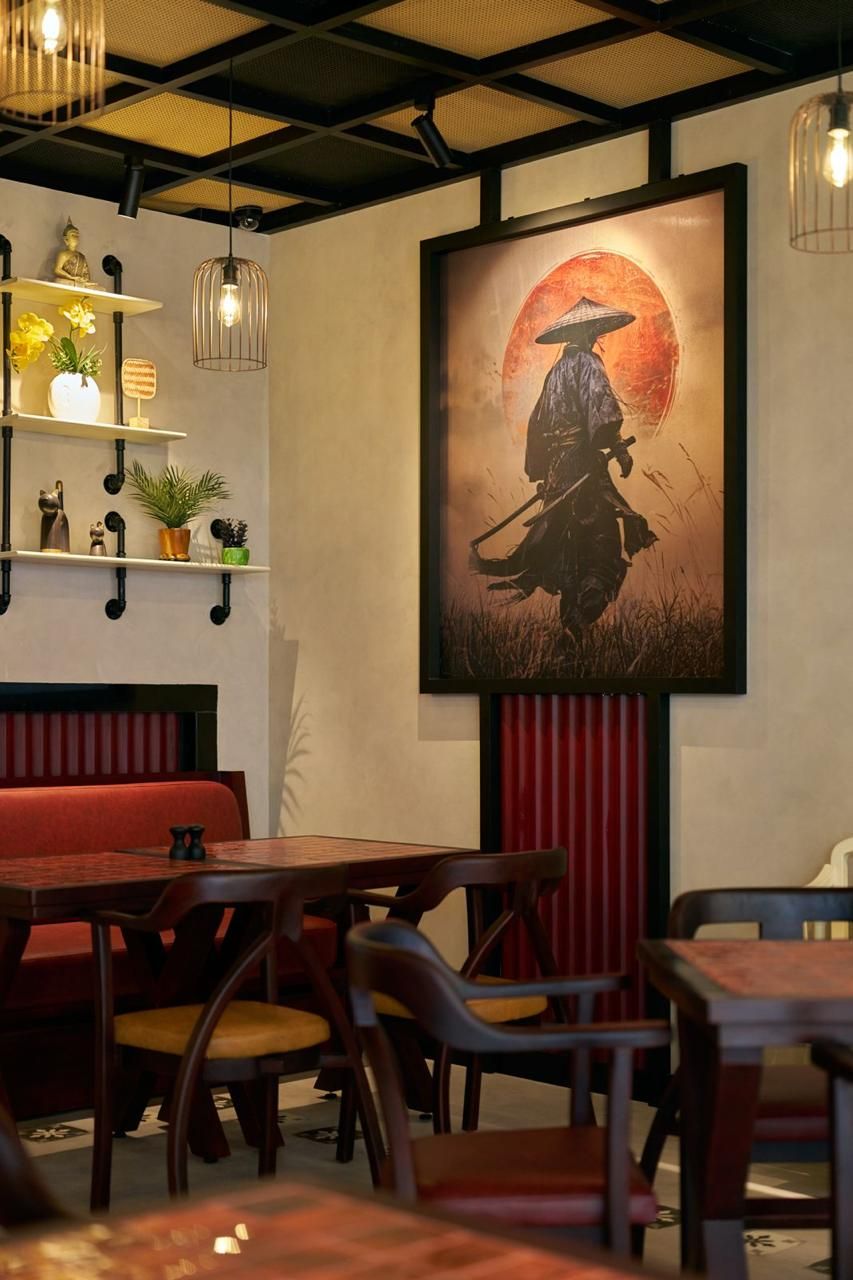
The same principle applies even more strongly in restaurants and cafés, where time directly links to revenue. The longer a customer stays, the more they order and the more likely they are to return. Yet many venues invest heavily in menus and furniture while overlooking the walls that define the atmosphere. Wall art and wall prints play a critical role in shaping how a space feels. Softer, natural visuals can create comfort and relaxation, encouraging longer visits. More vibrant and dynamic printed walls can energise a space, making it feel social and engaging. In both cases, the environment influences behaviour. In a market saturated with options, especially across the UAE, atmosphere becomes a key differentiator, and walls are at the centre of that experience.
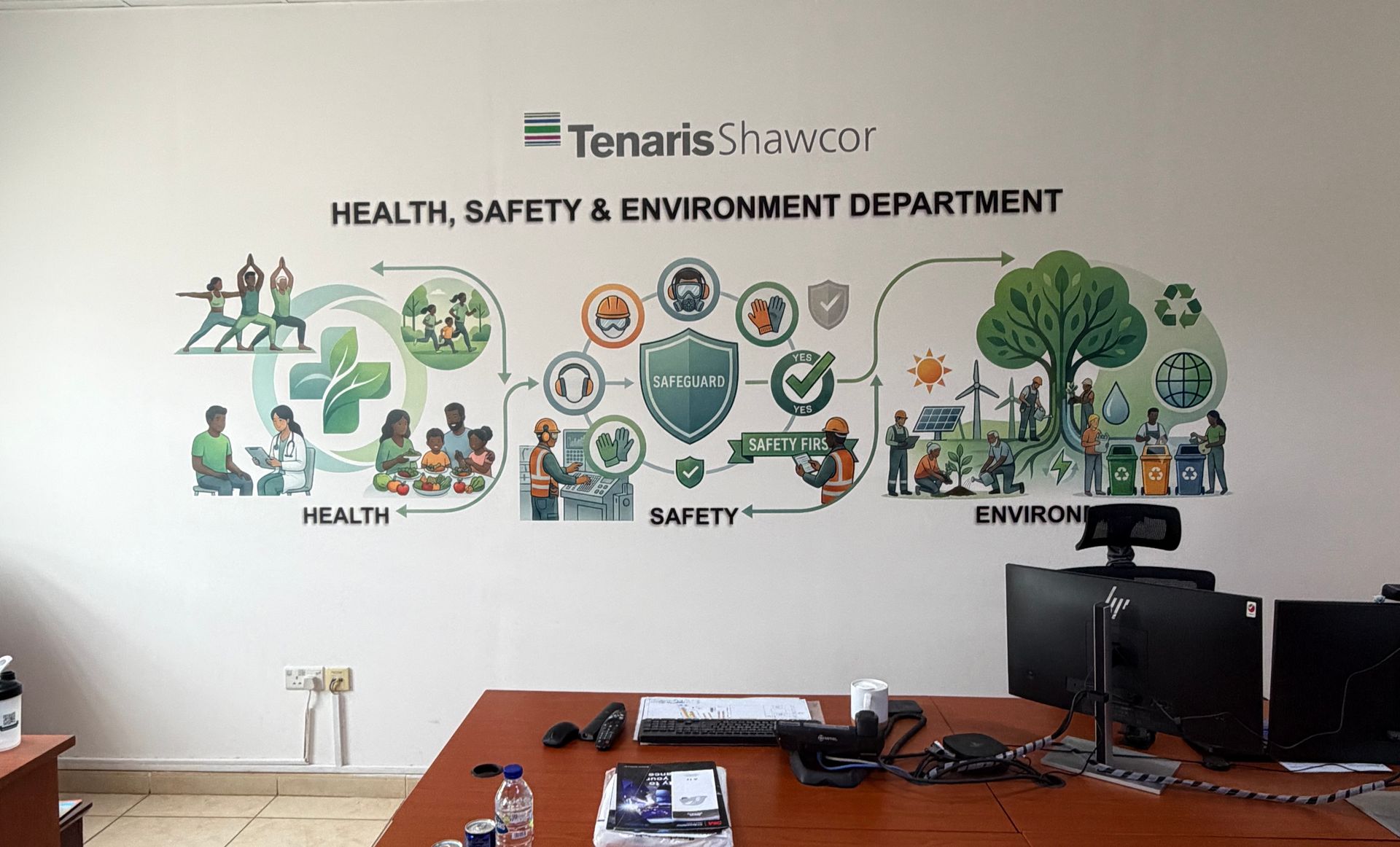
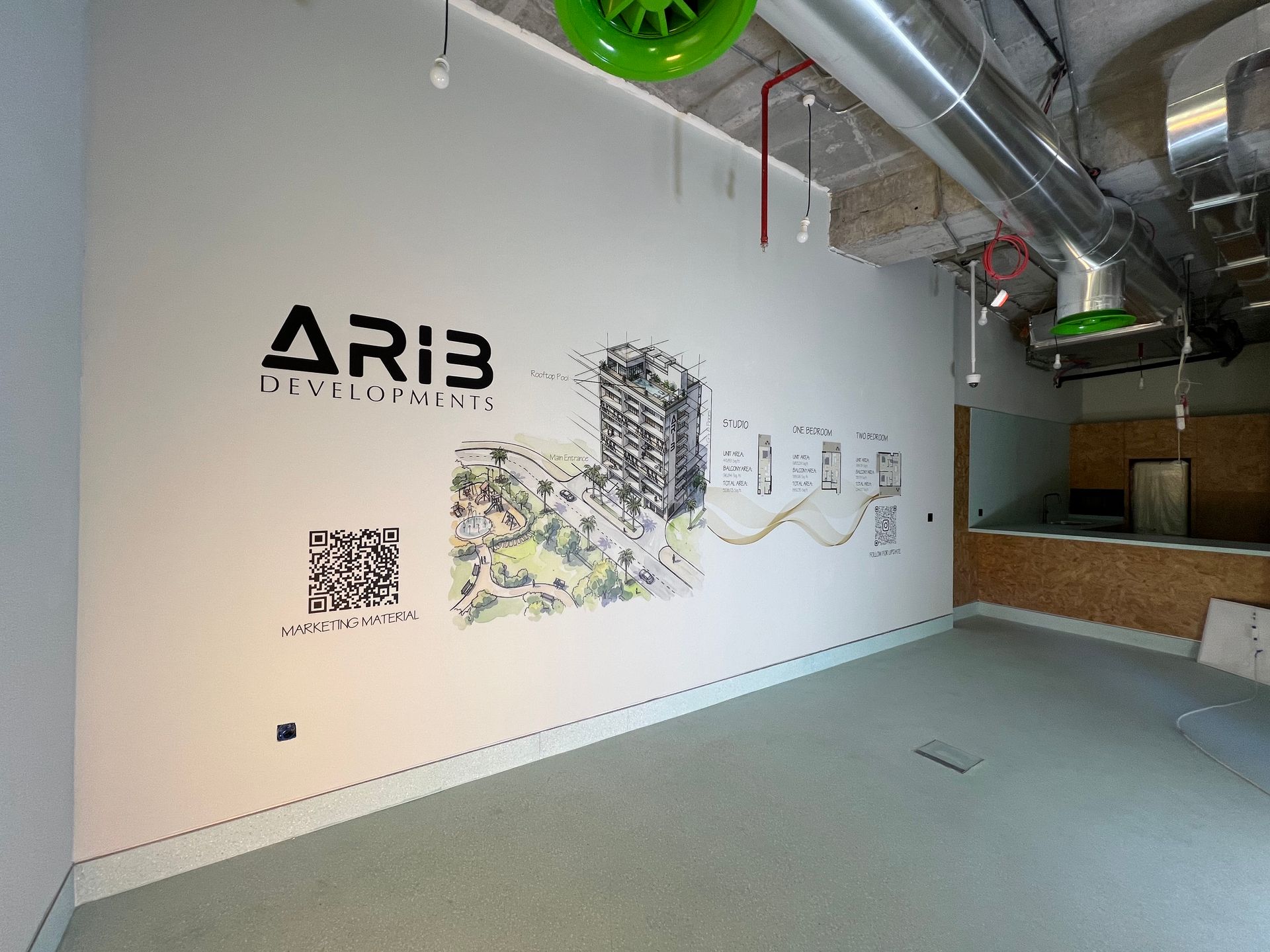
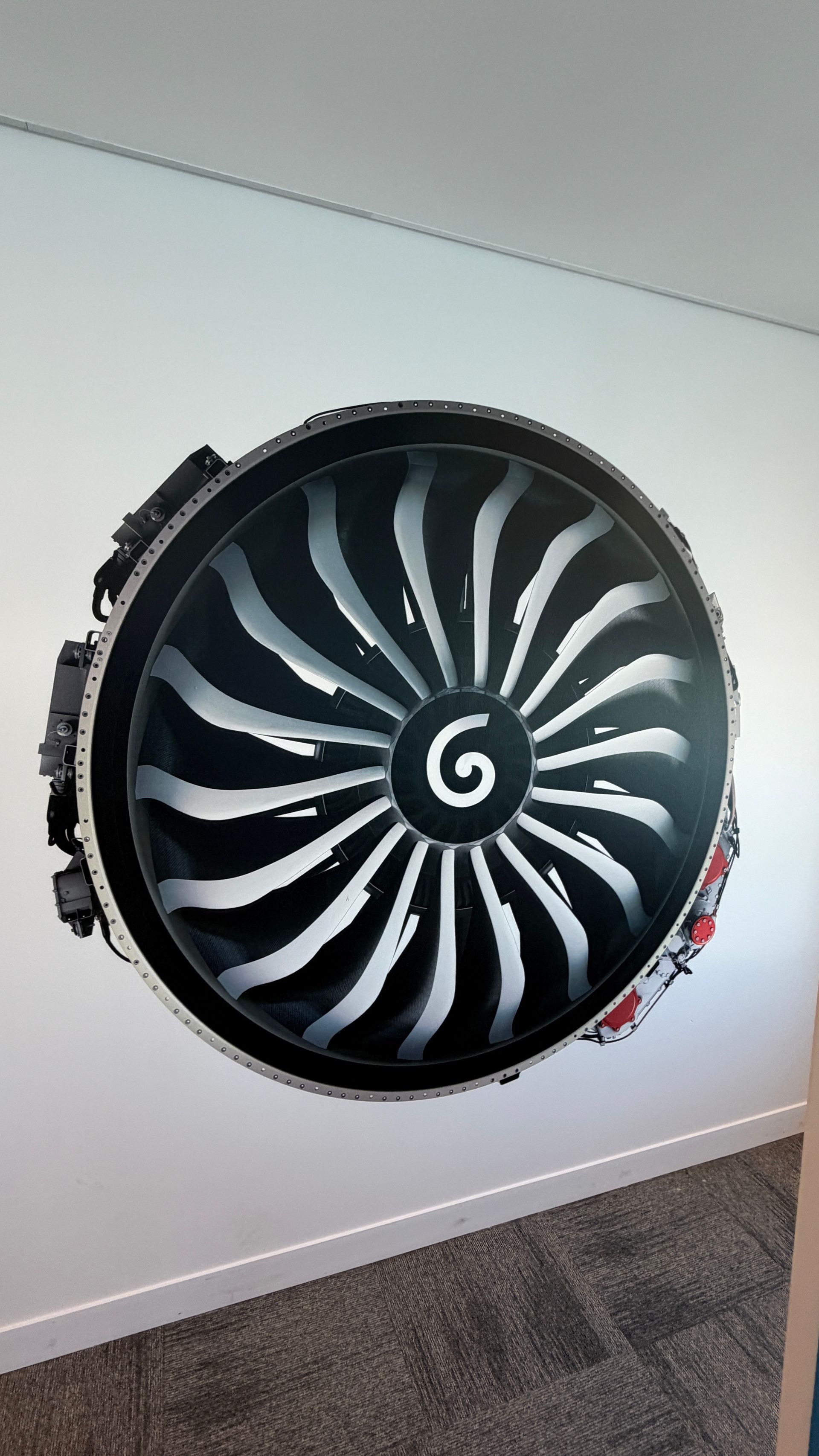
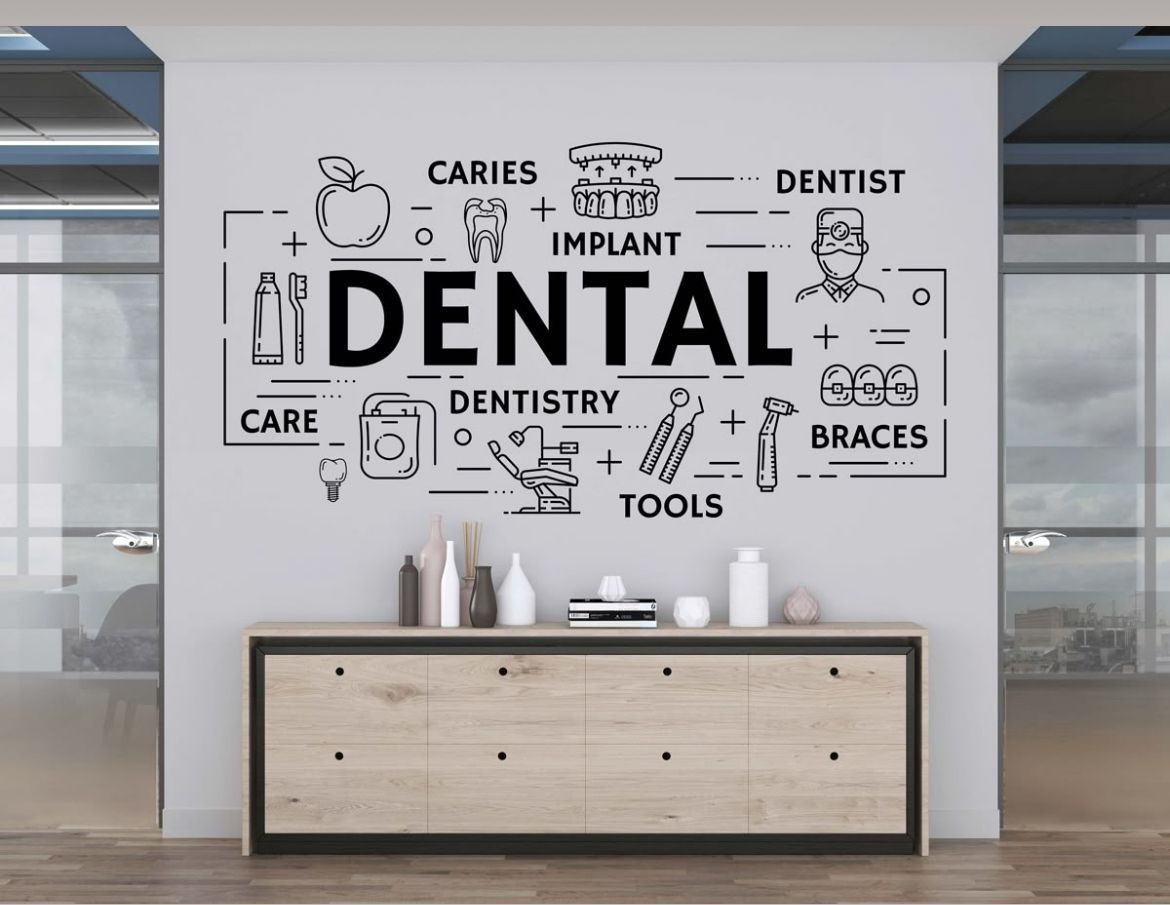
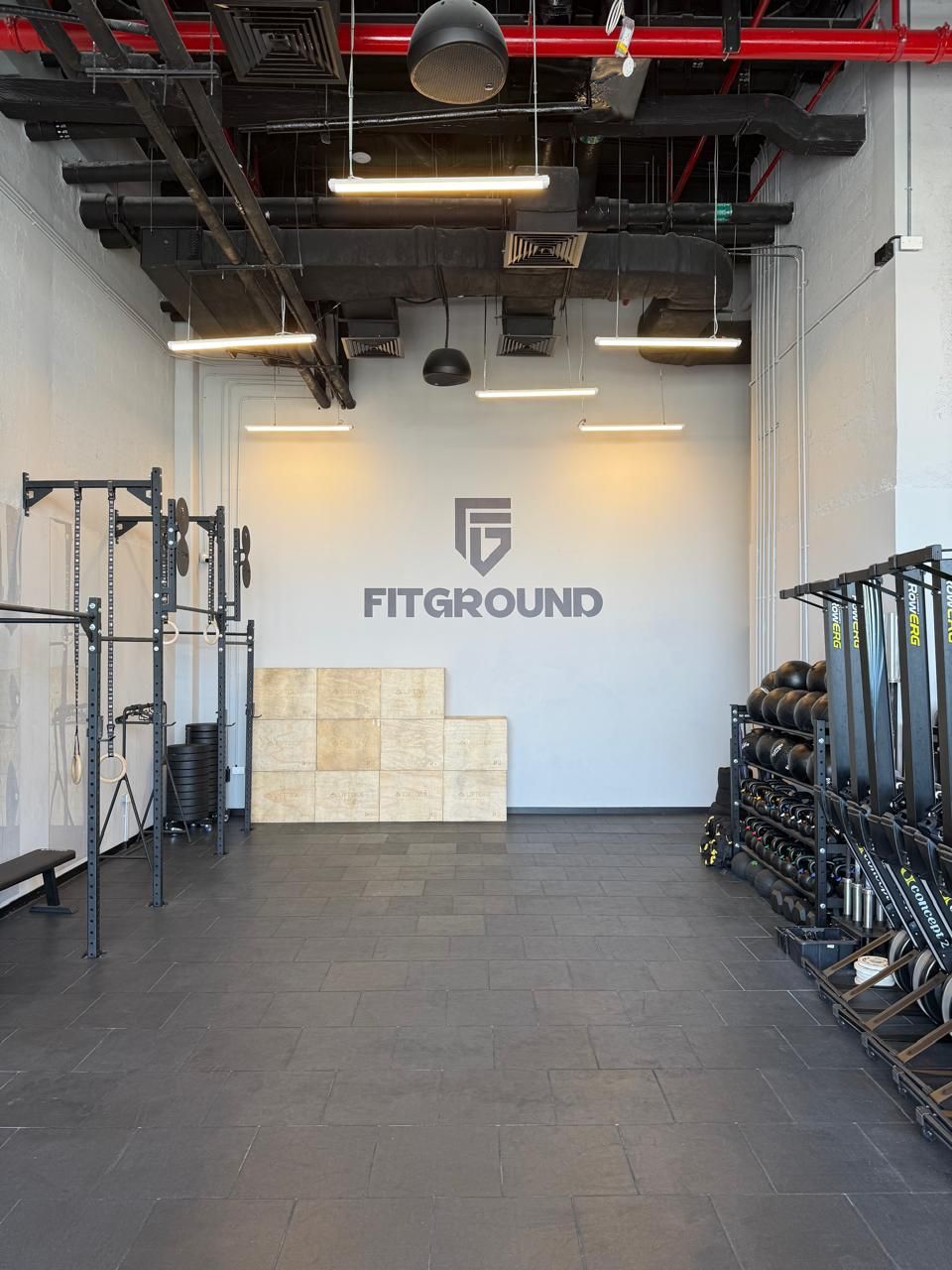
In offices and client-facing spaces, the impact is more subtle but just as powerful. Perception is formed within seconds of walking into a room. Blank walls or generic wall decor can make a space feel uninspired or lacking identity, even if everything else is well-designed. In contrast, thoughtful wall printing transforms walls into an extension of the brand. It communicates attention to detail, creativity, and confidence without saying a word. For businesses that rely on trust and first impressions, this can influence how clients and partners perceive them from the outset.
What makes this more important is the hidden cost of “playing it safe”. Many businesses avoid bold or intentional design choices because they assume neutrality is the lowest-risk option. In reality, neutral spaces often go unnoticed. They fail to create emotional engagement, and without that connection, customers are less likely to remember the space or return to it. This leads to lower retention, reduced engagement, and missed opportunities to stand out.
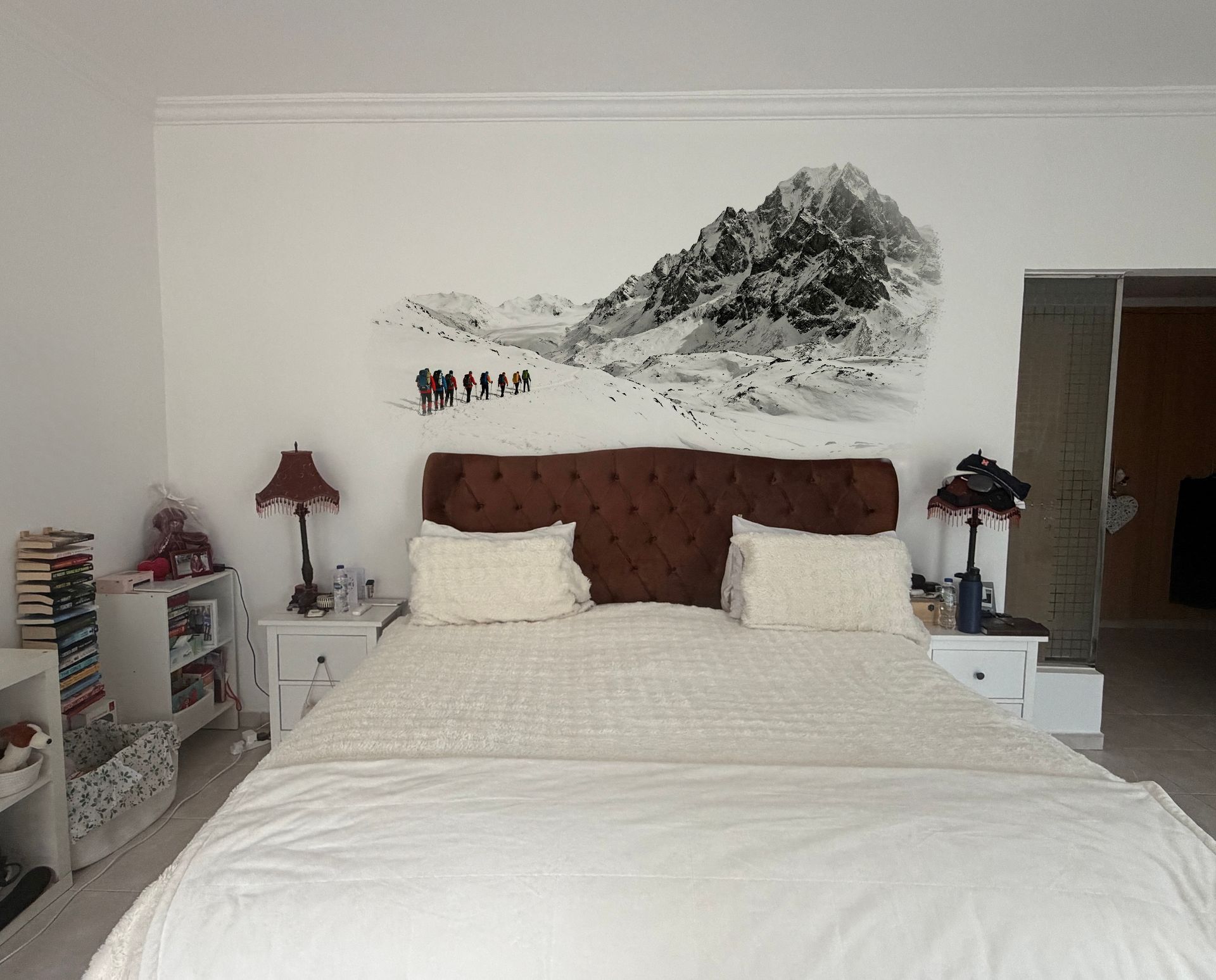
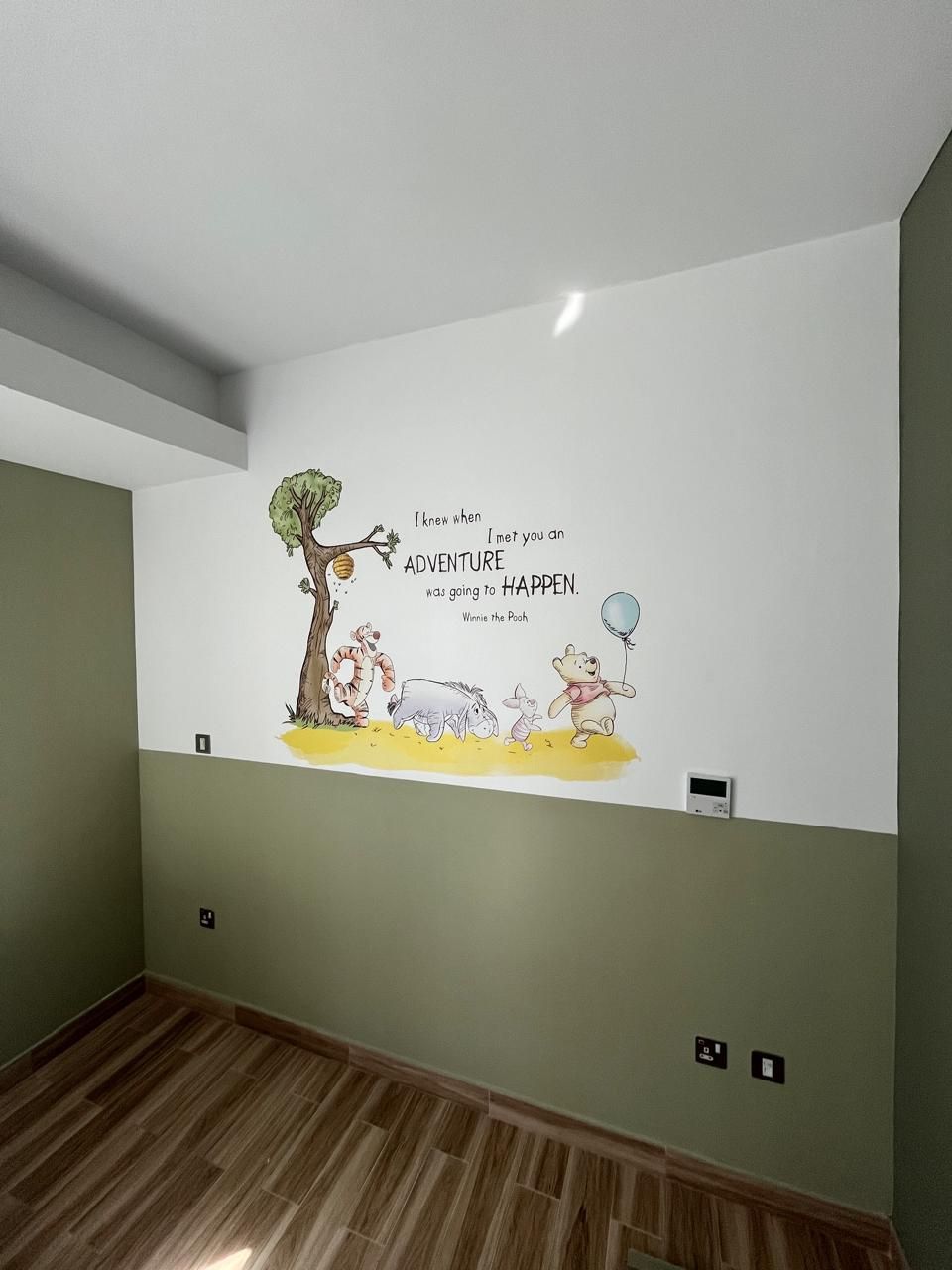
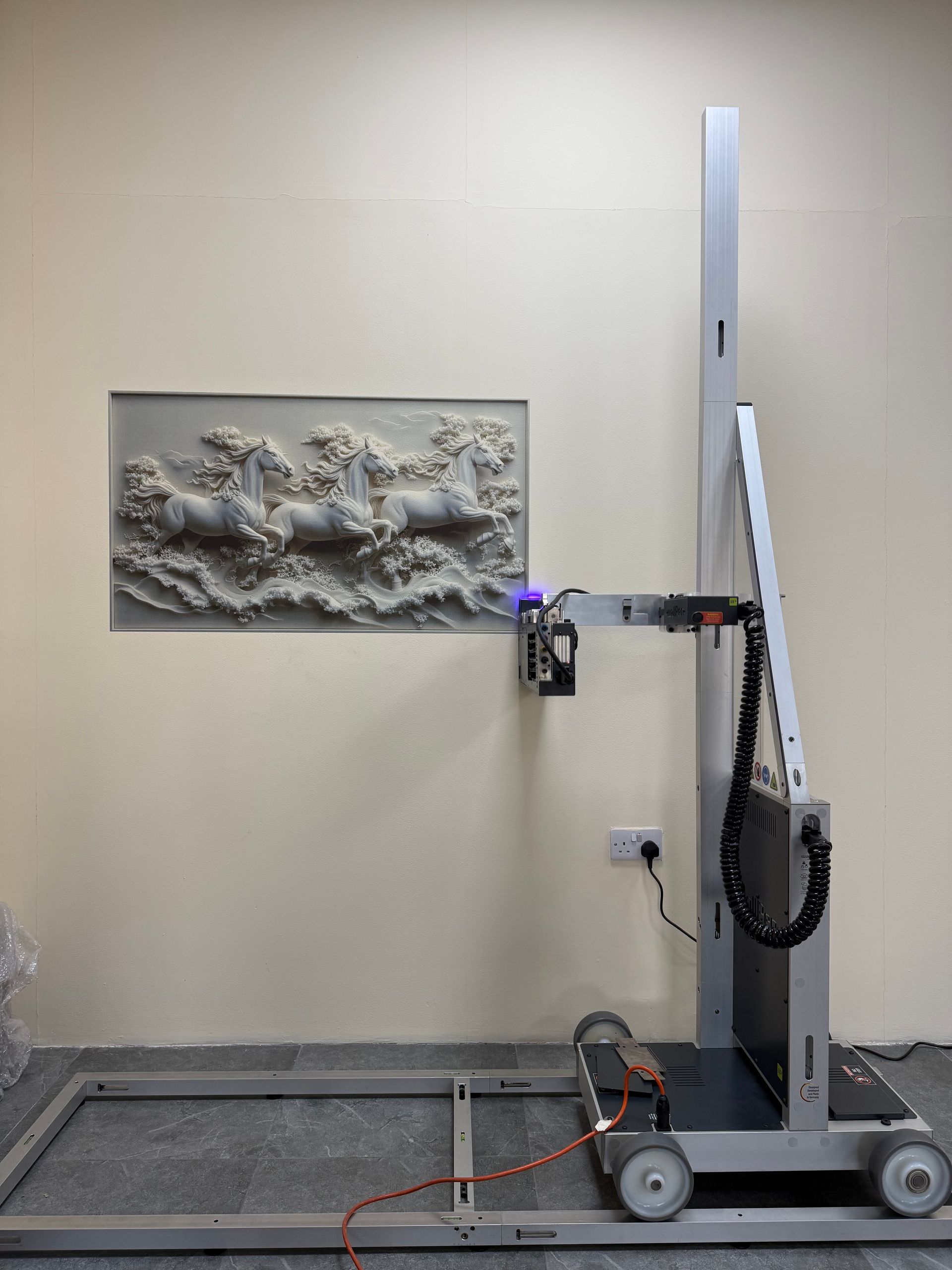
This is where wall printing is changing the conversation. Unlike traditional wall decor, which is often limited in scale or flexibility, printed walls allow for complete creative freedom. Businesses can design spaces that are fully aligned with their identity, creating large-scale visuals that feel seamless and intentional. Beyond aesthetics, there is also a growing focus on sustainability. As demand for sustainable design increases in the UAE, wall printing offers a more efficient solution by reducing material waste and eliminating the need for multiple decorative elements.
Ultimately, walls are not just part of the background. They are active contributors to how a space performs. They influence how long people stay, how they feel, and what they remember. In commercial environments, that translates directly into customer behaviour and, in turn, revenue.
The businesses that understand this are no longer treating walls as something to fill. They are treating them as assets. Because at the end of the day, customers may not remember every detail of a product or service, but they will remember how a space made them feel. And more often than not, that feeling starts with the walls.