If Your Walls Could Talk, Would They Sound Like Your Brand?
Every brand has a voice. It’s reflected in marketing, messaging, tone of communication and visual identity. But there’s one place many businesses forget to express that voice: their physical space.
Walk into most offices, clinics, studios or showrooms in the UAE and the walls are surprisingly quiet. Neutral paint, generic wall decor or a single framed print that could belong to almost any company.
Yet walls are the largest surfaces in any environment. They shape first impressions, influence atmosphere and silently communicate what a business stands for. If your walls could talk, would they actually sound like your brand?
Walls Are Always Communicating
Even when they’re blank, walls send signals.
Minimal or empty walls can suggest professionalism and restraint, but they can also feel impersonal. Generic wall art may make a space look finished, but it rarely says anything meaningful about the organisation itself.
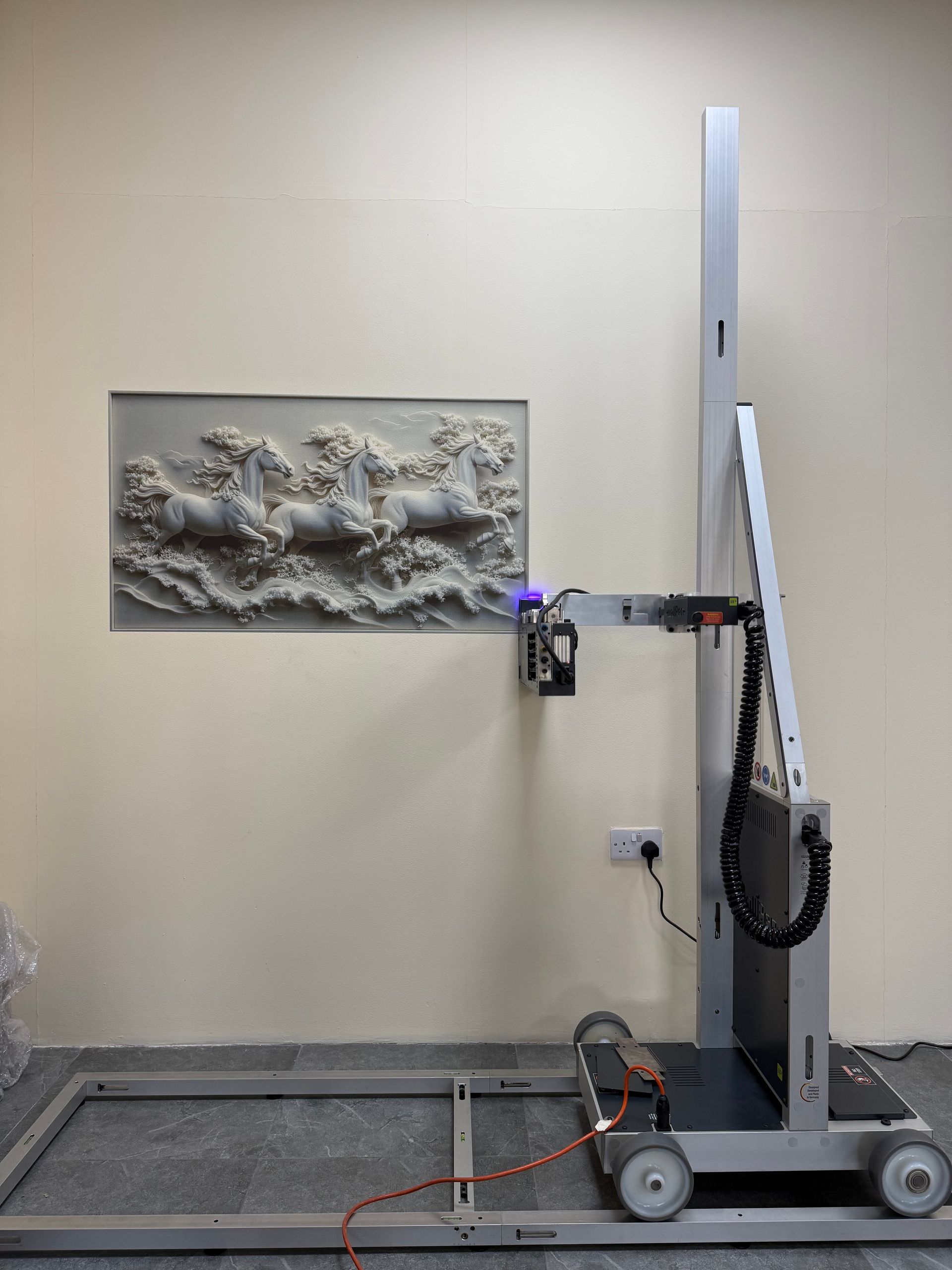
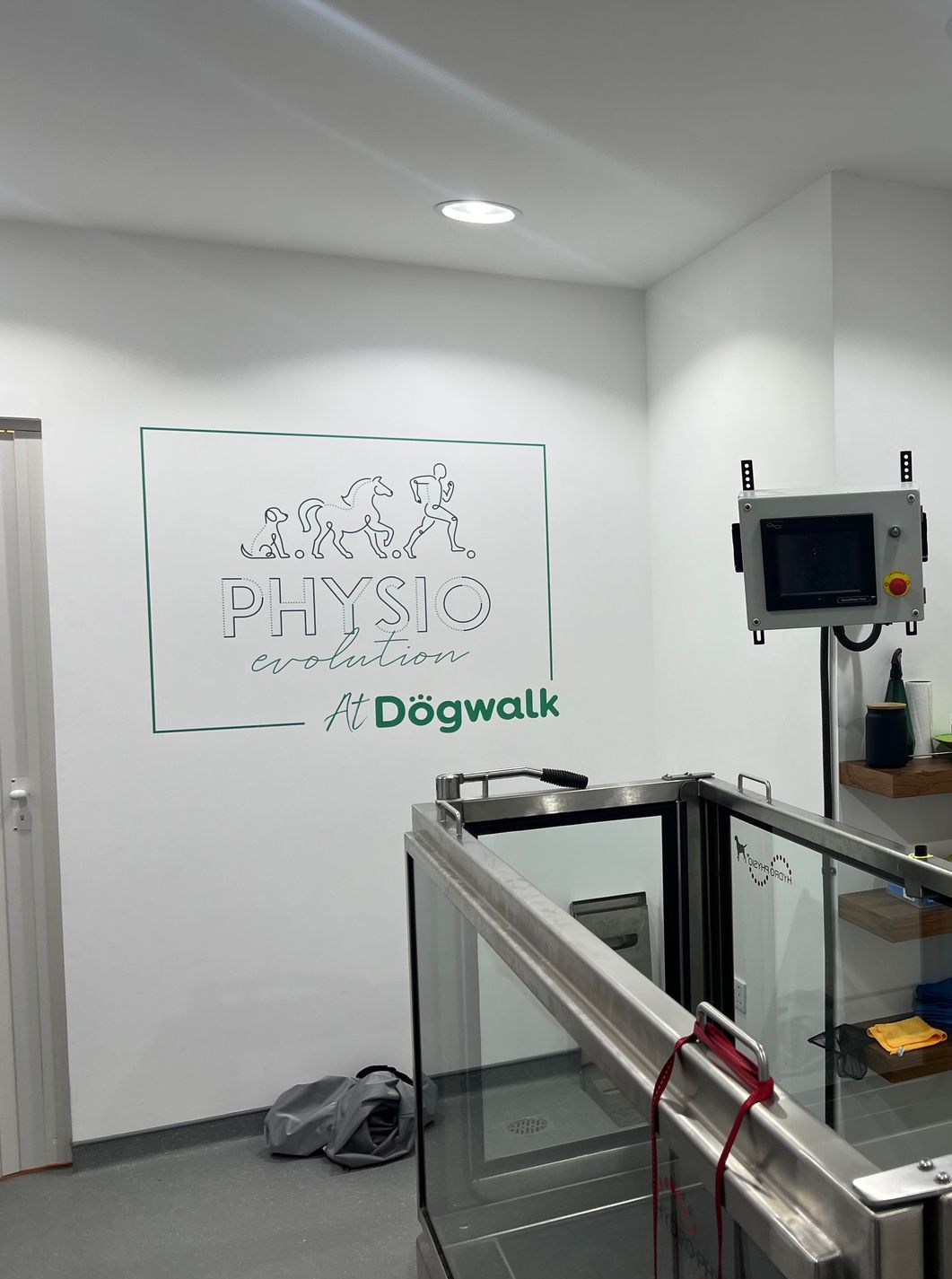
Printed walls change that dynamic. Instead of filling space with decorative pieces, wall printing allows businesses to turn walls into intentional storytelling surfaces.
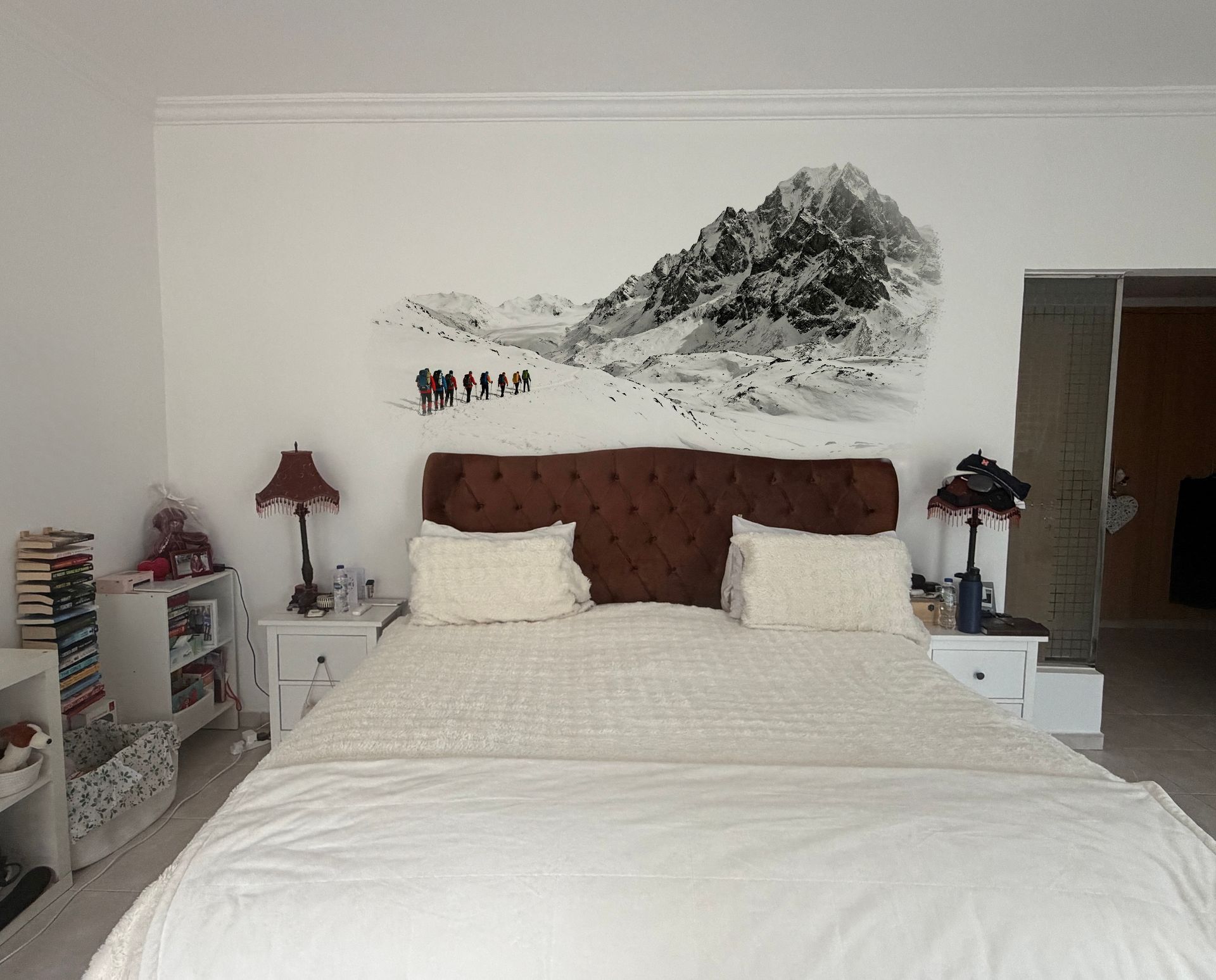
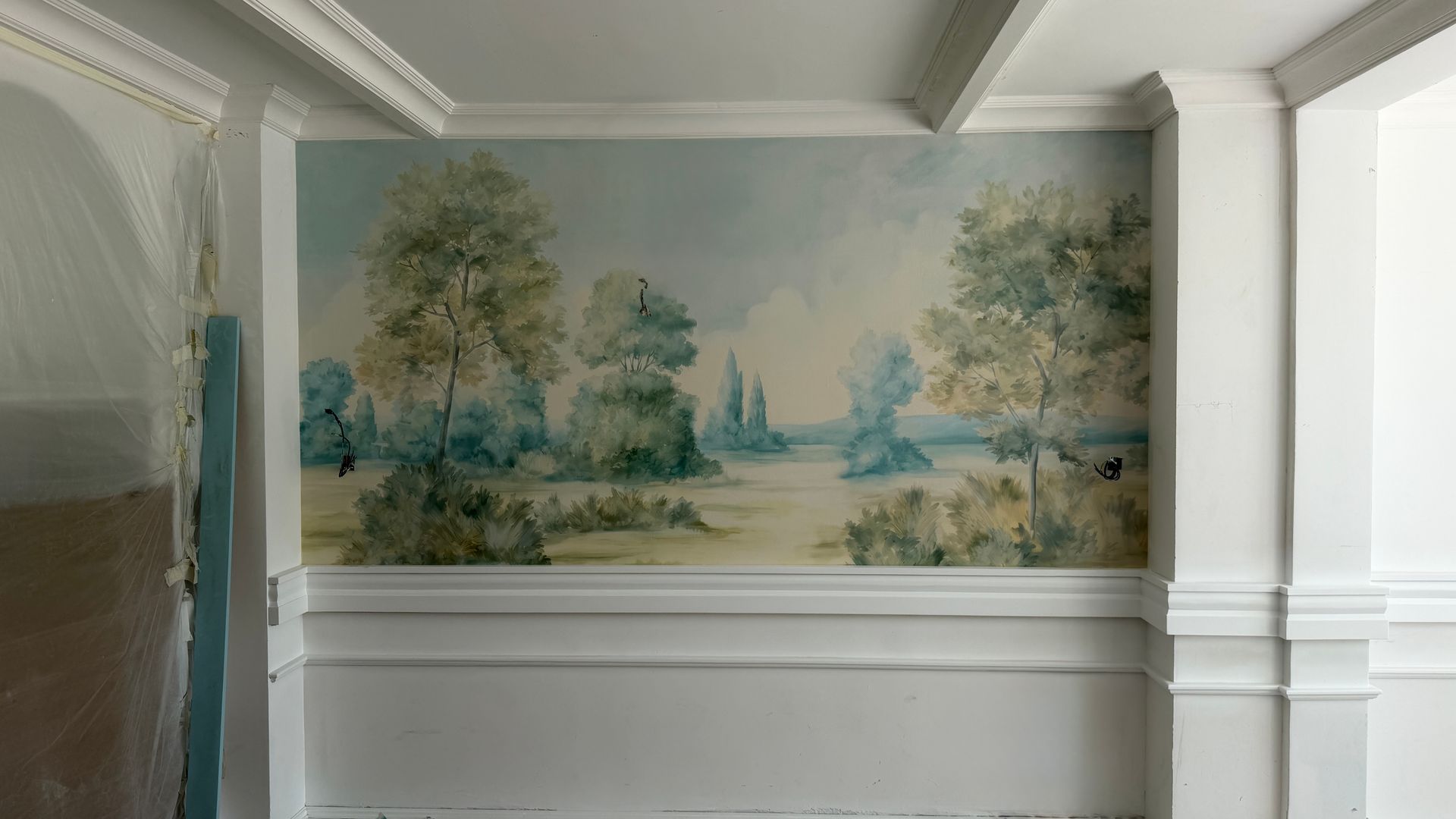
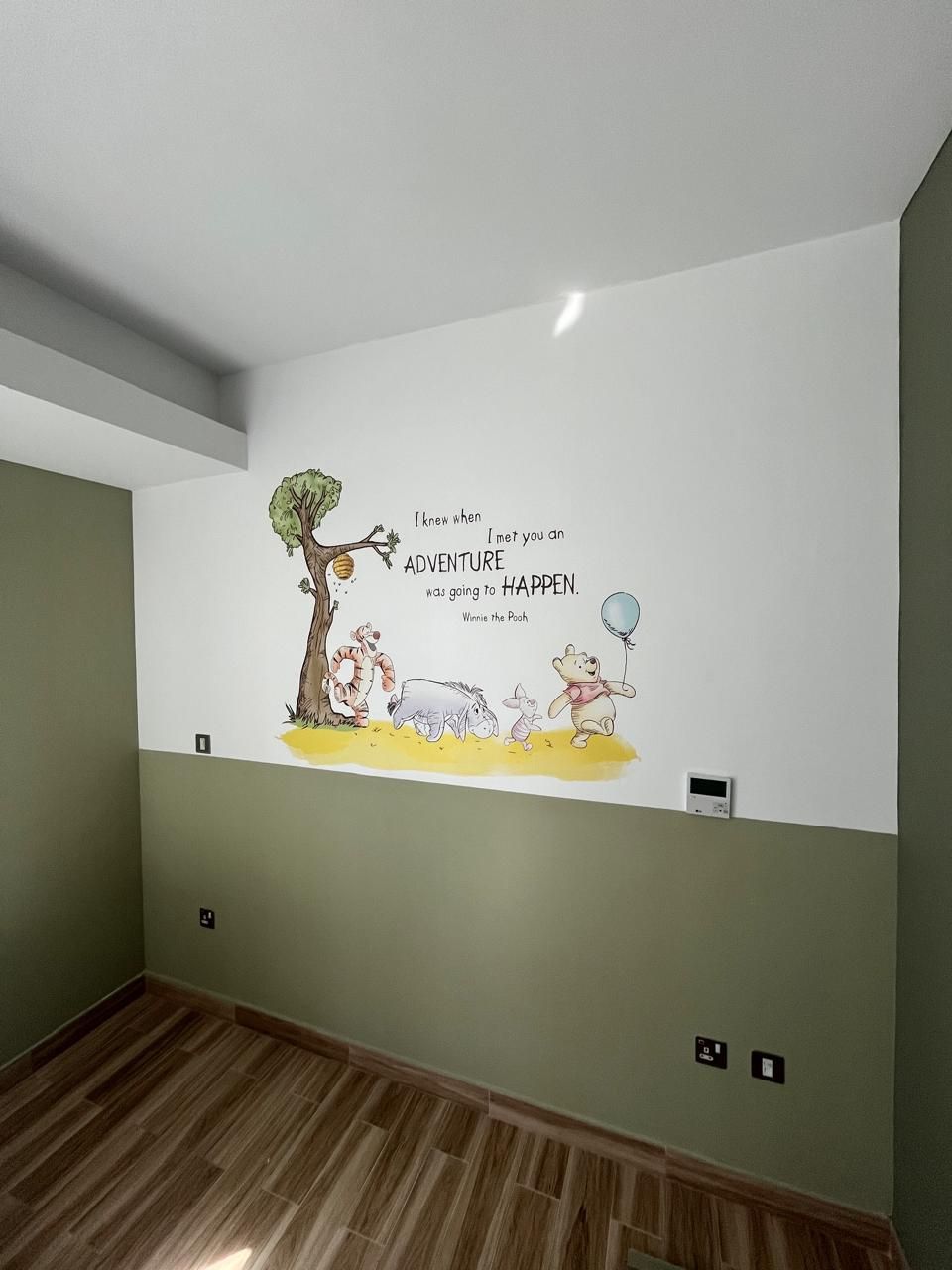
Through carefully designed wall prints and large-scale wall art, a brand’s personality can become part of the environment itself.
From Decoration to Identity
There’s an important difference between decoration and identity.
Decoration fills space. Identity defines it.
Many offices rely on small, framed artwork or standard wall decor to make rooms feel complete. But these pieces often have little connection to the brand, the culture of the team, or the experience the company wants visitors to have.
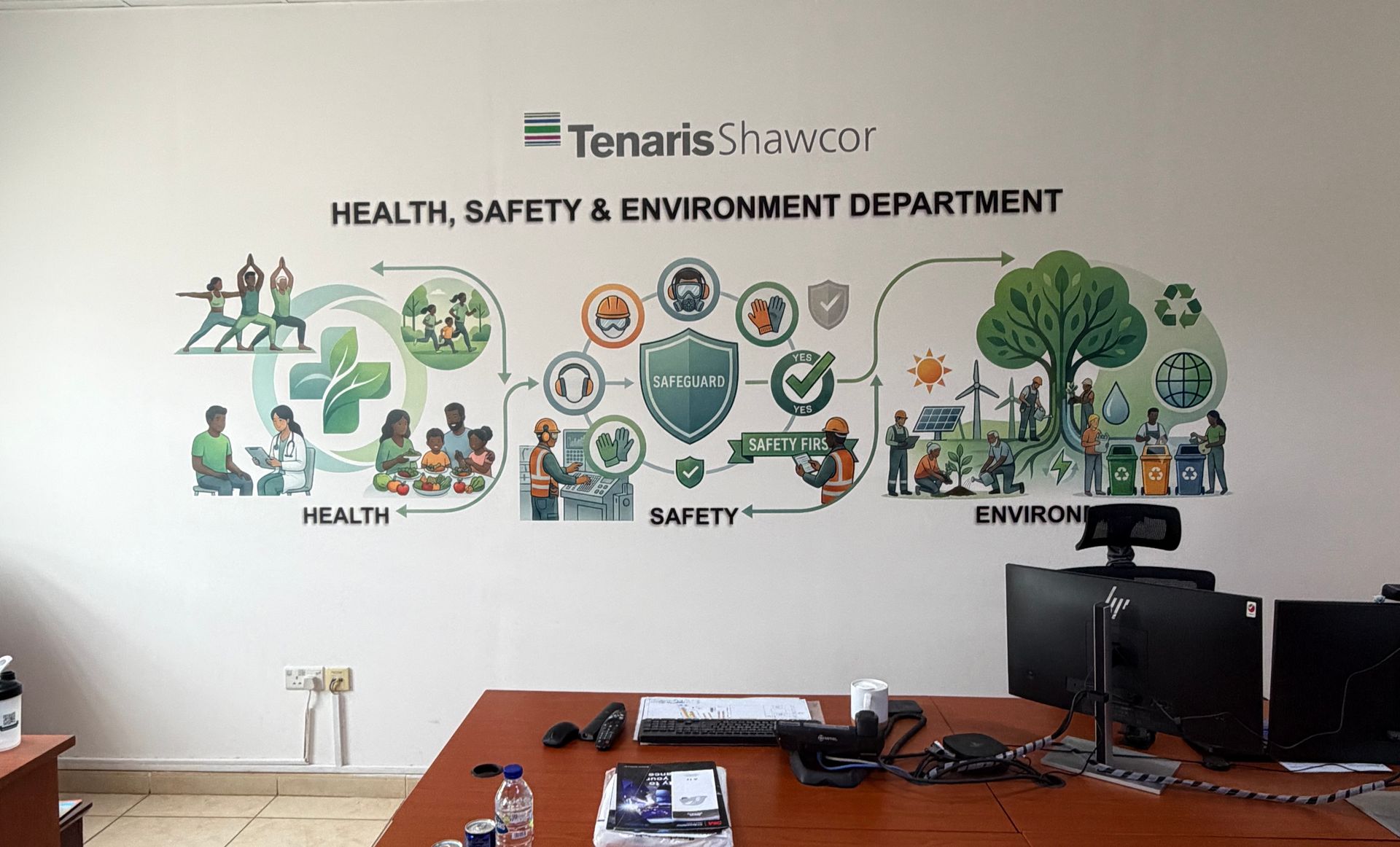
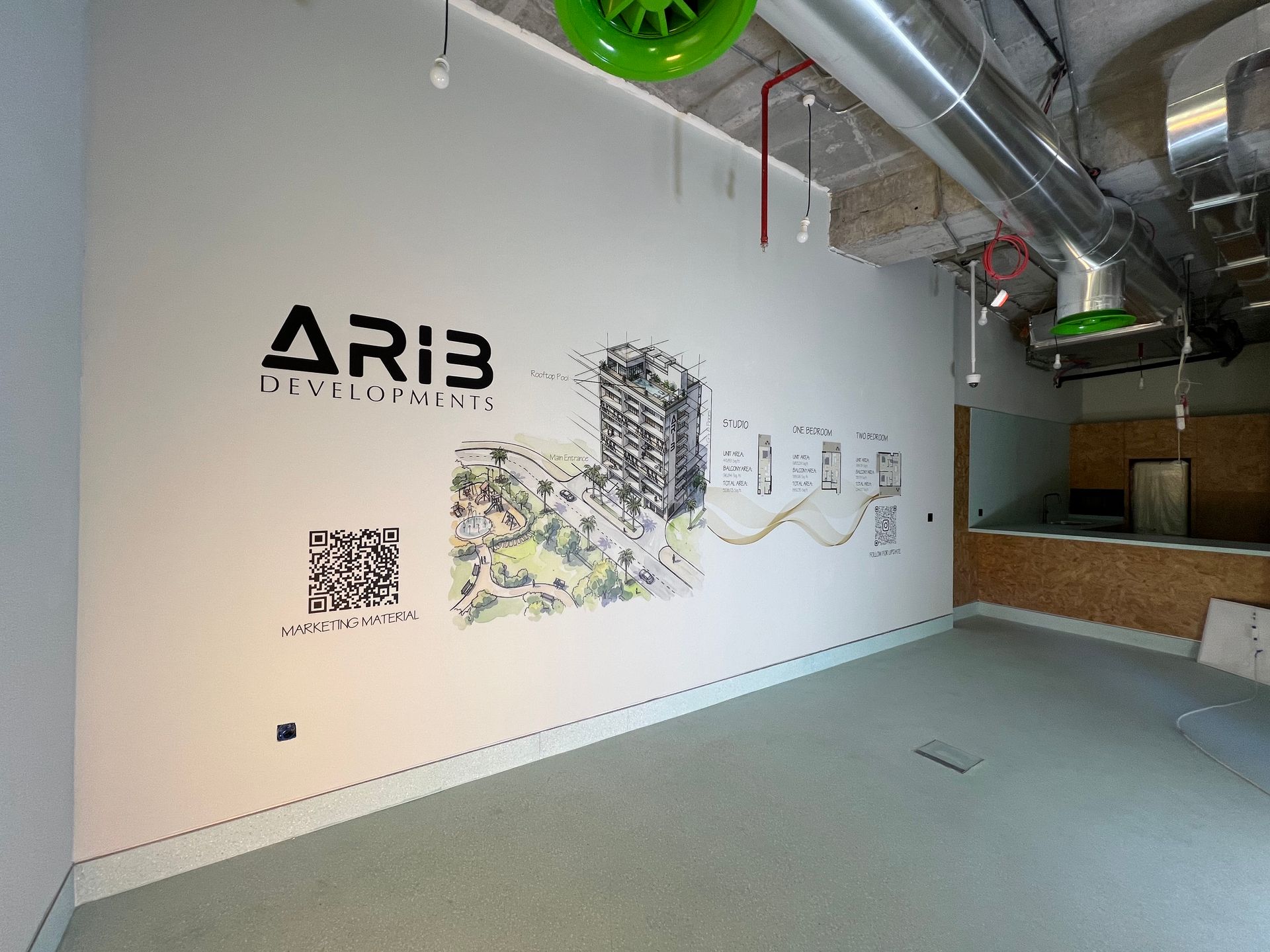
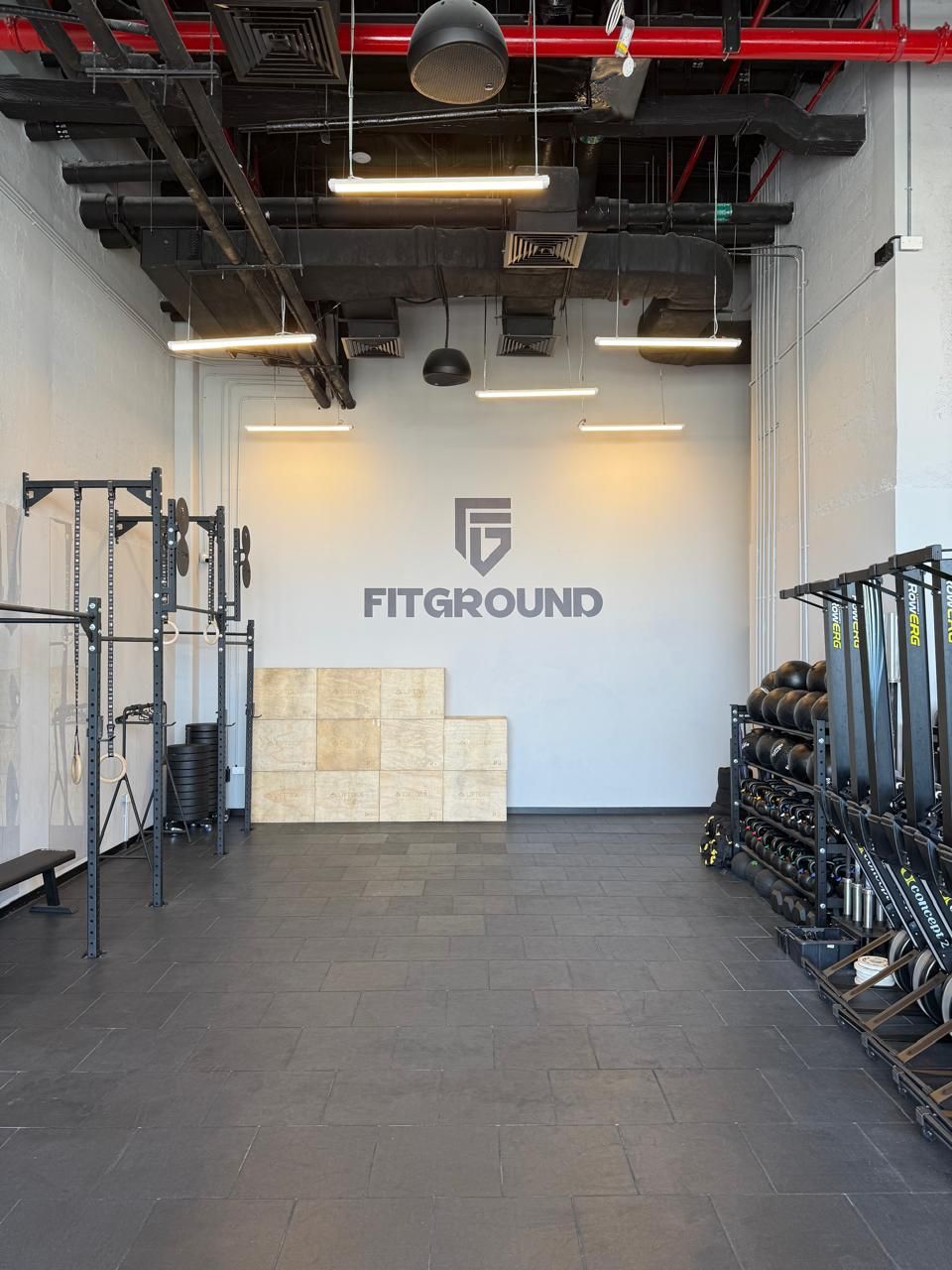
With wall printing, walls become an extension of the brand. Printed walls can incorporate colour, imagery, texture and storytelling that reflects values, creativity and purpose. The result is an environment that feels cohesive rather than assembled.
When visitors walk in, the brand becomes visible before anyone even speaks.
Why Wall Art Matters in a Competitive Market
In fast-moving markets like the UAE, businesses compete not only through services but through perception. Clients often form an opinion about a company within seconds of entering its space.
Distinctive wall art helps create that perception. Large-scale wall prints signal confidence, attention to detail and visual clarity. Instead of blending into the background, printed walls make environments memorable.
For companies in design, hospitality, healthcare, education or technology, thoughtful wall decor reinforces professionalism while expressing individuality.
Sustainable Design for Modern Workspaces
Another advantage of modern wall printing is sustainability. Traditional wall decor often involves repeated updates, replacing posters, installing temporary graphics or frequently repainting surfaces.
Printed walls provide a more sustainable alternative. Because the artwork is integrated directly onto the wall, there is less material waste and fewer replacement cycles over time.
As more businesses in the UAE prioritise sustainable design practices, wall printing offers a way to create impactful interiors while reducing unnecessary materials and waste.
Turning Walls into Brand Ambassadors
When designed intentionally, walls become more than background surfaces. They become ambassadors for the brand.
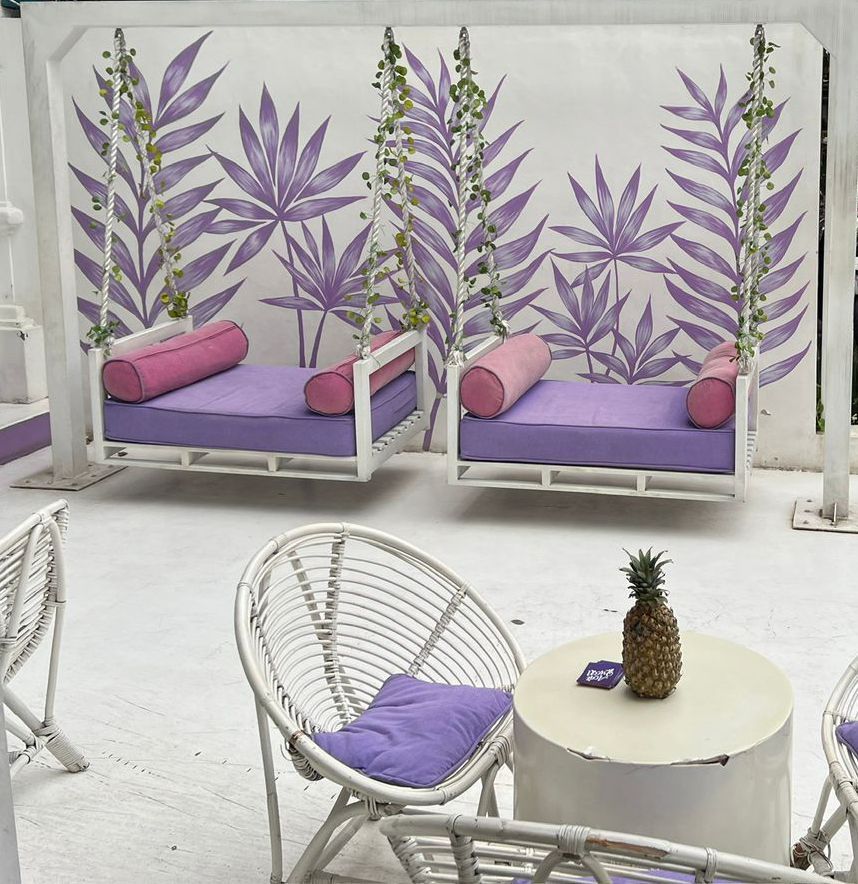
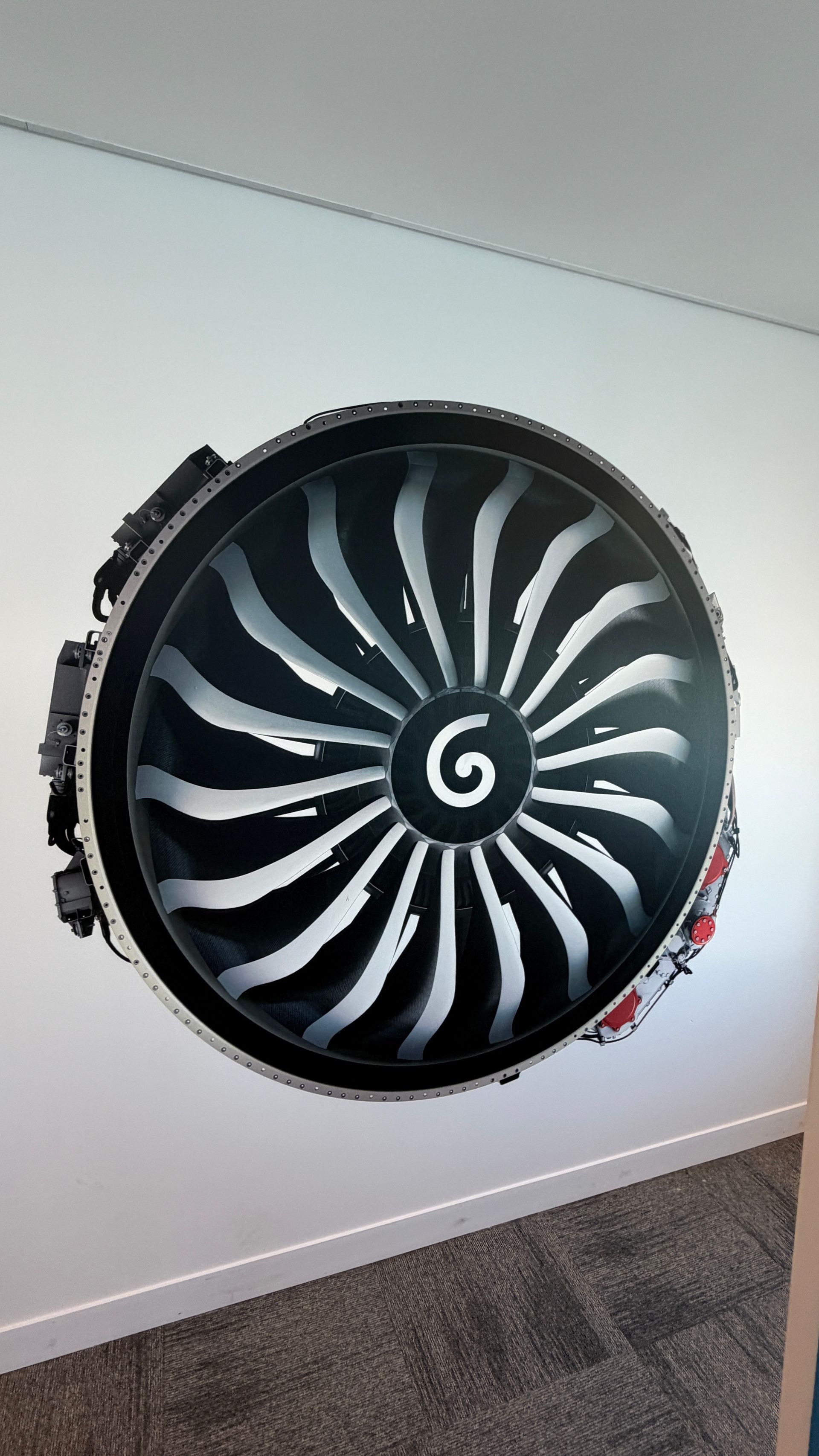
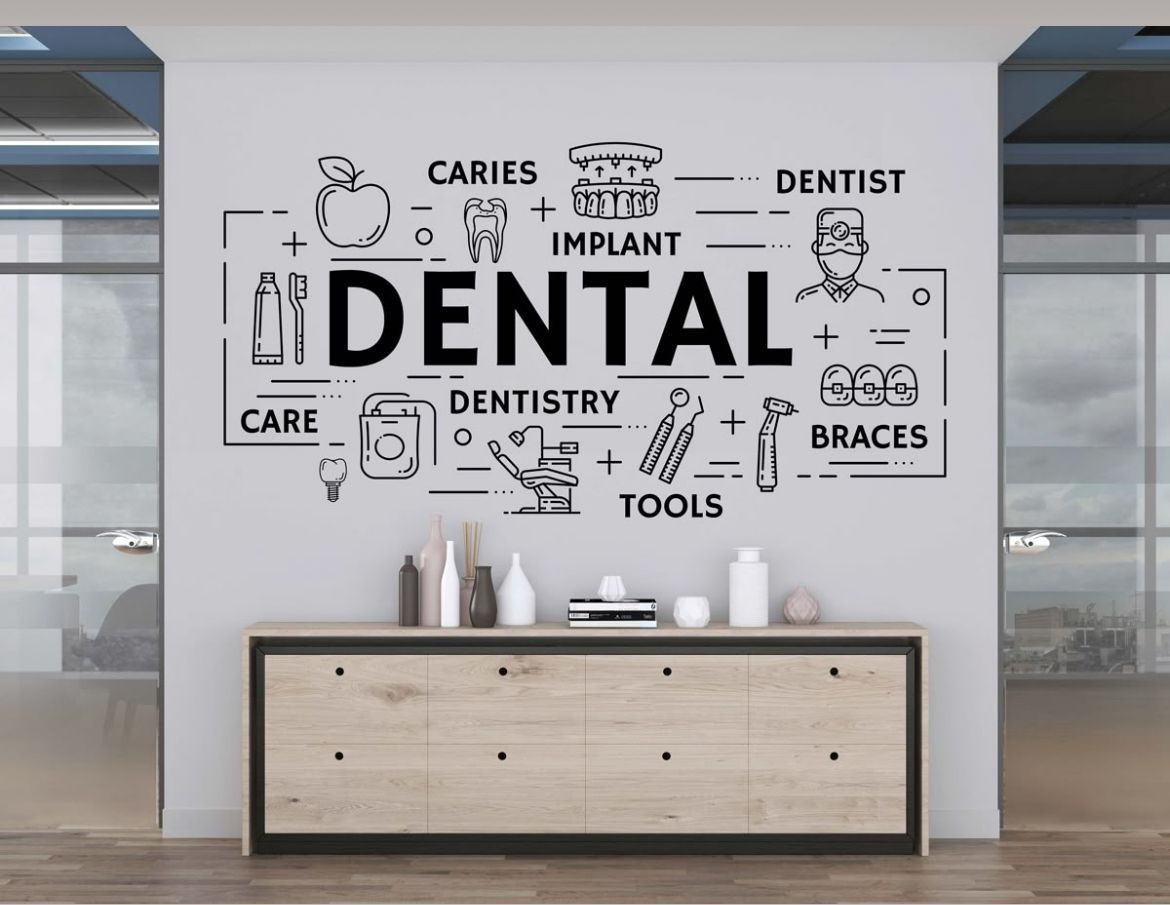
A creative studio might use bold, expressive wall art to communicate innovation. A healthcare clinic may choose calming visuals that reinforce trust and care. A technology company might opt for modern graphic wall prints that reflect progress and precision.
The key is alignment. Printed walls should feel authentic to the organisation’s voice and values.
Every space tells a story. The question is whether that story is deliberate or accidental.
Wall printing allows businesses to move beyond generic wall decor and create printed walls that express identity, culture and purpose. In the UAE’s competitive and visually driven business landscape, wall art is no longer just decoration — it’s communication.
If your walls could talk, they would be saying something.
The real question is whether they are saying the right thing about your brand.